


What Is DSA Singapore? A Parent’s Guide to Secondary School Admissions
If your child is in Primary 6, chances are the words “DSA”, “PSLE”, and “Secondary 1 posting” have started floating around your home, your class parent chat, and maybe your own late-night Google searches too. For many families, the first question is simple: what is DSA Singapore, and is it something your child should even consider?
In plain English, DSA-Sec, or Direct School Admission to secondary school, is a pathway that allows students to apply to certain secondary schools based on talent and strengths beyond PSLE results alone. That might be in sports, performing arts, visual arts, leadership, or STEM-related areas, depending on the school. If a child is successfully admitted through DSA, they secure a place in that school before the usual Secondary 1 posting exercise, subject to meeting MOE’s requirements.
For anxious Primary 6 parents, DSA can feel both exciting and confusing. It opens doors, but it also comes with commitments, timelines, and trade-offs. This guide breaks down how DSA in Singapore works, so you can decide whether it suits your child and your family.
Key Takeaways
- DSA is a talent-based admission pathway. It lets Primary 6 students apply to selected secondary schools based on areas such as sports, arts, leadership, or STEM before the regular Secondary 1 posting exercise.
- It is not a shortcut for every child. DSA works best for students with genuine strength, interest, and staying power in a talent area, not just a nice-to-have activity or a short burst of achievement.
- Acceptance comes with commitment. If your child accepts a DSA offer, they are expected to join and continue in the school’s chosen talent area.
- Schools assess differently. Some may look at portfolios, trial performances, auditions, interviews, or selection tests, so preparation needs to go beyond raw talent.
- DSA and Secondary 1 posting are different routes. DSA secures a place earlier through talent-based selection, while posting is mainly based on PSLE results and school choices.
- Parents need to watch timelines carefully. Missing a date can mean missing the opportunity completely.
- Fit matters more than prestige. A school may look impressive on paper, but if the programme, culture, travel time, or commitment level does not suit your child, DSA can become a source of stress.
What DSA Singapore Means in Plain English
When parents ask what DSA Singapore is, they are usually trying to understand one basic thing: is this another school application route besides PSLE posting? The answer is yes.
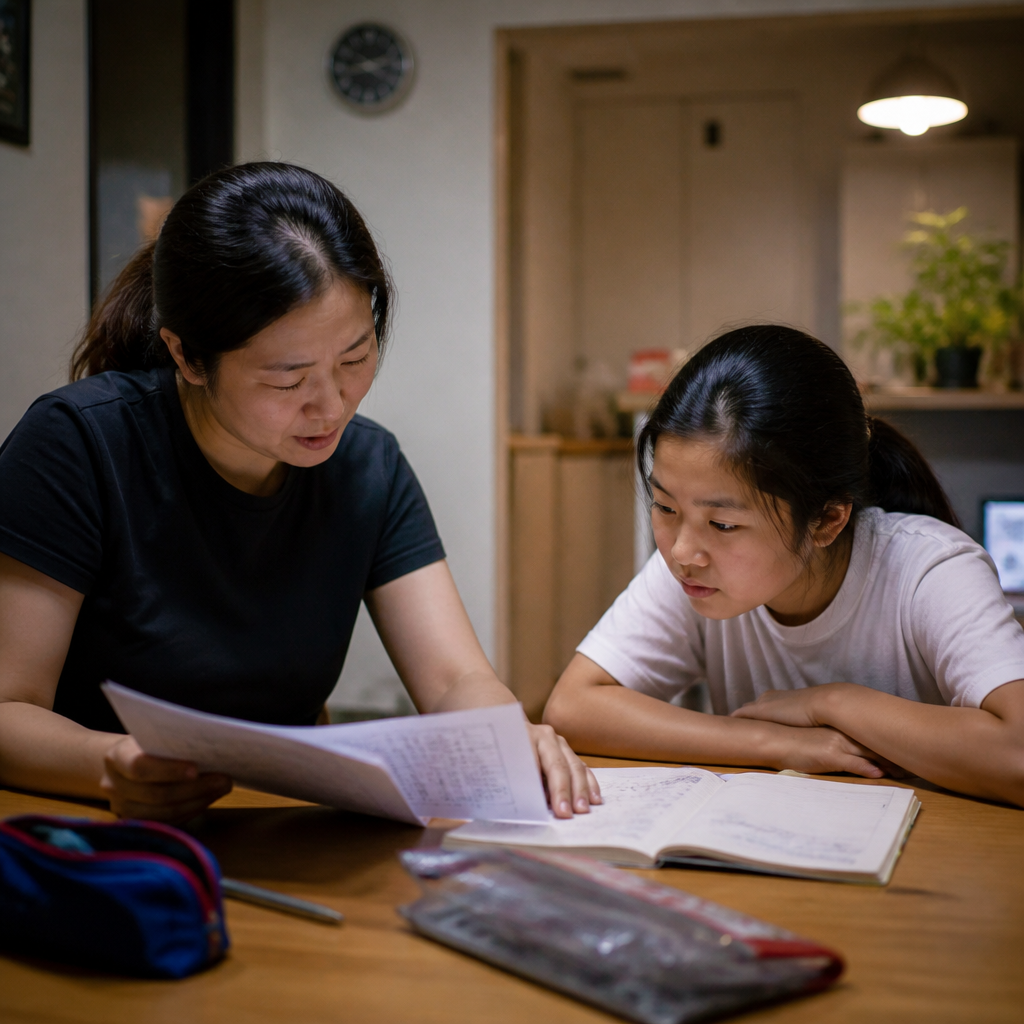
What DSA-Sec actually means
DSA-Sec allows a Primary 6 student to apply directly to participating secondary schools based on specific talents or achievements. Instead of waiting for the usual posting outcome after PSLE, your child can be considered earlier for a place in a school that values their strength in a particular domain.
This does not mean PSLE no longer matters. Your child still sits for the PSLE and must meet MOE’s general eligibility requirements. DSA is not a free pass and it does not let a child skip the usual system. It is simply a different admissions route for students whose strengths may not be fully captured by exam scores alone.
Why DSA exists
Some children are clearly strong in areas that deserve recognition. Think of the swimmer training several times a week, the child who has spent years in Chinese orchestra, the student who consistently shows initiative in school leadership, or the one who genuinely enjoys building and coding instead of just collecting certificates.
Many parents feel this tension over time. Their child has real ability, but the usual admissions route seems focused mainly on academic results. DSA exists to give schools a way to recognise and nurture those strengths earlier.
Who usually benefits most
The best fit is often a child with both proven interest and sustained effort. Not just talent, but commitment. Tutors often notice that some students are very capable, but they do not actually enjoy the routine and demands that come with a talent area becoming a bigger part of school life.
A child who loves basketball but is already dragging their feet for every training session may not thrive in a school where that sport becomes even more central. That is one of the most overlooked parts of Direct School Admission.
How the DSA Secondary School Process Works
A common parent question is how DSA secondary school admission works in Singapore from start to finish. Once you see the broad structure, it feels much more manageable.
Application comes before Secondary 1 posting
The DSA process usually takes place during Primary 6, before the regular Secondary 1 posting exercise. Families apply to participating schools through the DSA system, selecting schools and talent areas offered by those schools.
After that, schools review applications and may shortlist students for further assessment. This could include trials, auditions, interviews, portfolio reviews, or practical tests, depending on the talent area.
Shortlisting and selection stages
This is often where parents start to feel unsure. Selection is not standard across all schools.
A recurring mistake is assuming that a long list of certificates guarantees success. Schools often look beyond paper achievements. A common pattern among students is that some look strong on paper but struggle to speak sincerely about their interest, while others with fewer formal awards come across as more genuine, steady, and ready to contribute.
Offers and what happens next
If a school decides to offer your child a place, there will be procedures to follow through the central DSA exercise. The exact categories and terms can change, so do check the latest information at MOE’s DSA-Sec page. Individual school requirements can also differ.
One emotional reality for parents is this: getting shortlisted feels exciting, but it is not the same as being a clear final fit. Some children perform well in their talent area but are visibly uncomfortable in interviews or overwhelmed by high-pressure trials. That does not mean they are not good enough. It may simply mean DSA is also assessing readiness for that school context.
It also helps to remember that the process can move quickly. A family may spend weeks preparing, then suddenly need to make decisions within a short response window. Keeping documents organised, checking email regularly, and discussing possible choices with your child early can reduce panic later.
What Schools Look For in DSA Applicants
Many families begin by asking which schools offer DSA in Singapore for sports and arts, but the more useful question is often what schools are actually looking for.
Common DSA talent areas
Schools may offer DSA in areas such as:
- Sports, including games, athletics, and school teams with competitive training structures.
- Performing arts, such as choir, dance, drama, band, or orchestra.
- Visual arts, where portfolios may matter more than certificates.
- Leadership, which usually goes beyond holding a title.
- Language and humanities-related areas, depending on the school’s niche programmes.
- STEM-related domains, including robotics, coding, mathematics, science research, or innovation projects.
The key is not to chase a domain just because it sounds impressive. A child who has gone for casual coding classes but has no real interest in sustained problem-solving may struggle in a school that expects deeper involvement.
Schools differ in focus and intensity
Two schools may both offer DSA in the same area but run very different programmes. One might have a strong competitive sports culture with demanding training schedules. Another may be more developmental and balanced. In the arts, one school may expect regular performances and a high level of discipline, while another may place more emphasis on broad participation.
That is why parents should not shortlist schools based only on reputation. Read the school’s DSA pages, talent descriptions, and programme expectations carefully. The latest information may change each year, so always verify through MOE and individual school websites.
What to consider when shortlisting schools
Before shortlisting, it helps to look at the decision from a few angles.
It is one thing to admire a school from afar. It is another to picture your 13-year-old travelling across the island, managing homework, adjusting to Secondary 1 life, and still attending demanding CCA sessions several times a week.
The DSA Application Process for Primary 6 Parents
The DSA Singapore application process can feel intimidating, especially when you are already juggling PSLE stress, revision schedules, and a child who is tired by midweek.
When to apply
If you are wondering when to apply for DSA secondary school places, the short answer is: early enough that you are not scrambling at the last minute. The official exercise typically happens during Primary 6, before PSLE results and before Secondary 1 posting choices are made.
Deadlines and procedures can change, so do not rely on last year’s screenshots from another parent. Always check the latest updates from MOE’s DSA page and the schools your child is interested in.
What parents usually need to prepare
Different schools ask for different materials, but common items may include basic application details, records of achievements, supporting documents, and information related to the talent area.
This is where realism matters. A polished portfolio cannot hide weak substance for long. At the same time, a genuinely capable child may undersell themselves if everything is thrown together the night before. Good preparation is usually clear, honest, and organised, rather than overdone.
Parents can also help by gathering practical details early: dates of competitions, names of programmes attended, teacher references where relevant, and a simple record of achievements. Even for non-certificate areas like leadership or visual arts, examples of consistent involvement can be useful when schools ask for supporting information.
How to support without overpressuring
Some parents become so anxious about missing the chance that the whole DSA process turns into another family pressure cooker. The child already has schoolwork, PSLE revision, and maybe CCA commitments. If every dinner conversation becomes about whether their portfolio is strong enough, motivation can drop quickly.
A steadier approach usually works better. Ask simple questions. Which schools feel like a real fit? Which talent area still excites your child even after a tiring week? If your child may need steady academic support while preparing for Secondary 1, learn more about our home tutors who can help build subject confidence and support the transition without adding pressure.
DSA vs Secondary 1 Posting: What Parents Need to Know
The difference between DSA and Secondary 1 posting is one of the biggest points of confusion for parents.
DSA is talent-based, posting is mainly score-based
With DSA, schools consider your child’s strengths in a specific talent area and may offer a place before the usual posting exercise. With the regular Secondary 1 posting route, school placement is based mainly on PSLE results and your submitted school choices, according to MOE’s posting framework. For the latest details, refer to MOE’s Secondary 1 posting page.
How DSA affects later school choices
This is where parents need to slow down and read carefully. If your child accepts a DSA offer, there are implications for their Secondary 1 posting options. In practical terms, DSA is not something to treat casually as a backup plan while hoping to choose freely later through posting.
That is why suitability matters. A family may feel tempted to secure any school place early because Primary 6 is stressful and uncertainty is uncomfortable. But relief in the middle of the year can turn into regret later if the chosen school or talent commitment was never a good fit to begin with.
Why some families still prefer regular posting
Not every capable child needs DSA. Some children are still developing their interests. Others are academically stronger than they appear at the start of Primary 6 and may prefer to keep more flexibility for the normal posting route.
There is nothing wrong with deciding not to apply. Sometimes the best decision is the one that keeps options open, especially if your child is unsure, easily overwhelmed, or not ready to commit to a talent pathway in Secondary 1.
How to Decide If DSA Suits Your Child
Before applying, families need to think beyond “Can my child get in?” and ask, “Will this actually suit my child?”
Check the official eligibility first
Eligibility requirements, application steps, and school-specific criteria may change, so always check the latest MOE guidance and individual school information. Avoid fixed assumptions based on what an older sibling or neighbour experienced. Admissions details can shift from year to year.
Understand the commitment after acceptance
One of the most important but least understood parts of DSA is the expectation that your child will participate in the talent area they were admitted for. If they enter through a sports domain, they are generally expected to join that sport. If they enter through performing arts or leadership, there are similar expectations tied to that area.
This matters because Secondary 1 is already a big adjustment. New subjects, new routines, longer school days, CCA, and social changes can all be tiring. A child who looked enthusiastic in Primary 6 may feel very different after entering secondary school. That does not mean the child was pretending. It simply means the reality of school life can feel very different from the application stage.
Signs DSA may be a good fit
DSA may be suitable if your child has sustained involvement in the talent area, still enjoys it despite a busy school week, can handle some level of structured commitment, and is genuinely interested in the school rather than just the school’s name.
It also helps if your child can talk naturally about what they have learned from the activity, not just what they have won. Schools often respond well to students who show maturity, coachability, and a willingness to grow.
Signs it may not be the right route
It may be less suitable if your child is applying only because other parents are doing it, has a shallow record in the talent area, is already burnt out from school and CCA, or wants flexibility more than early certainty.
Sometimes parents can tell when a child’s interest is real. They return from training tired but satisfied. They practise without constant nagging. They light up when talking about the activity. That kind of steady motivation often matters more than a rushed stack of achievements.

Frequently Asked Questions
Does DSA mean my child no longer needs to care about PSLE?
No. Your child still needs to sit for PSLE and meet MOE requirements. DSA changes the admissions route, but it does not remove the role of PSLE entirely.
Can my child apply for DSA if they are talented but do not have many certificates?
Sometimes yes, depending on the school and talent area. Certificates can help, but schools often assess actual ability, commitment, and fit through interviews, trials, auditions, or portfolio reviews. A child with fewer formal awards but clear skill and consistency may still be considered.
If my child accepts a DSA offer, can we still freely choose schools during Secondary 1 posting?
Families need to read the latest MOE terms carefully because accepting a DSA offer affects posting options. This is why parents should not treat DSA as a risk-free placeholder. Check the latest details at MOE’s DSA page and Secondary 1 posting page.
Should we apply for DSA just to reduce stress before PSLE results?
Not unless the school and talent area are a genuine fit. Applying just for emotional relief can backfire if your child later feels trapped in a programme they do not really want. Short-term certainty is not always the same as long-term suitability.
How many schools should we shortlist?
There is no one perfect number, but the shortlist should be realistic rather than aspirational for its own sake. A good list usually reflects your child’s actual strengths, interest, and ability to commit, not just school prestige or what other parents are talking about.
Conclusion
Understanding what DSA Singapore is becomes much less intimidating once you strip away the jargon. At its core, DSA-Sec is a talent-based admissions pathway for Primary 6 students who may be a strong fit for certain secondary schools because of their strengths in sports, arts, leadership, STEM, or other recognised domains. It can be a meaningful opportunity, but it also comes with timelines, school-specific requirements, and real commitment after acceptance.

For parents, the goal is not to chase DSA because it sounds advanced or impressive. The goal is to decide whether this pathway truly suits your child before the regular Secondary 1 posting process begins. Read the latest MOE information, check each school’s DSA requirements carefully, and talk honestly with your child about interest, stamina, and fit.
A calm, realistic approach usually serves families best. If your child has genuine ability and wants the opportunity, DSA can be worth exploring. If not, the regular posting route remains a valid and sensible path. What matters most is choosing the route that supports your child’s growth, confidence, and long-term adjustment to secondary school.
And while DSA is only one part of the transition, Secondary 1 adjustment matters too. If your child may need steady academic support while preparing for Secondary 1, you can learn more about our home tuition services. You can also explore more parent resources at Singapore Tuition Teachers.


