


When both parents are working, PSLE preparation can feel like one more full-time job squeezed into an already packed week. Mornings are rushed, evenings disappear
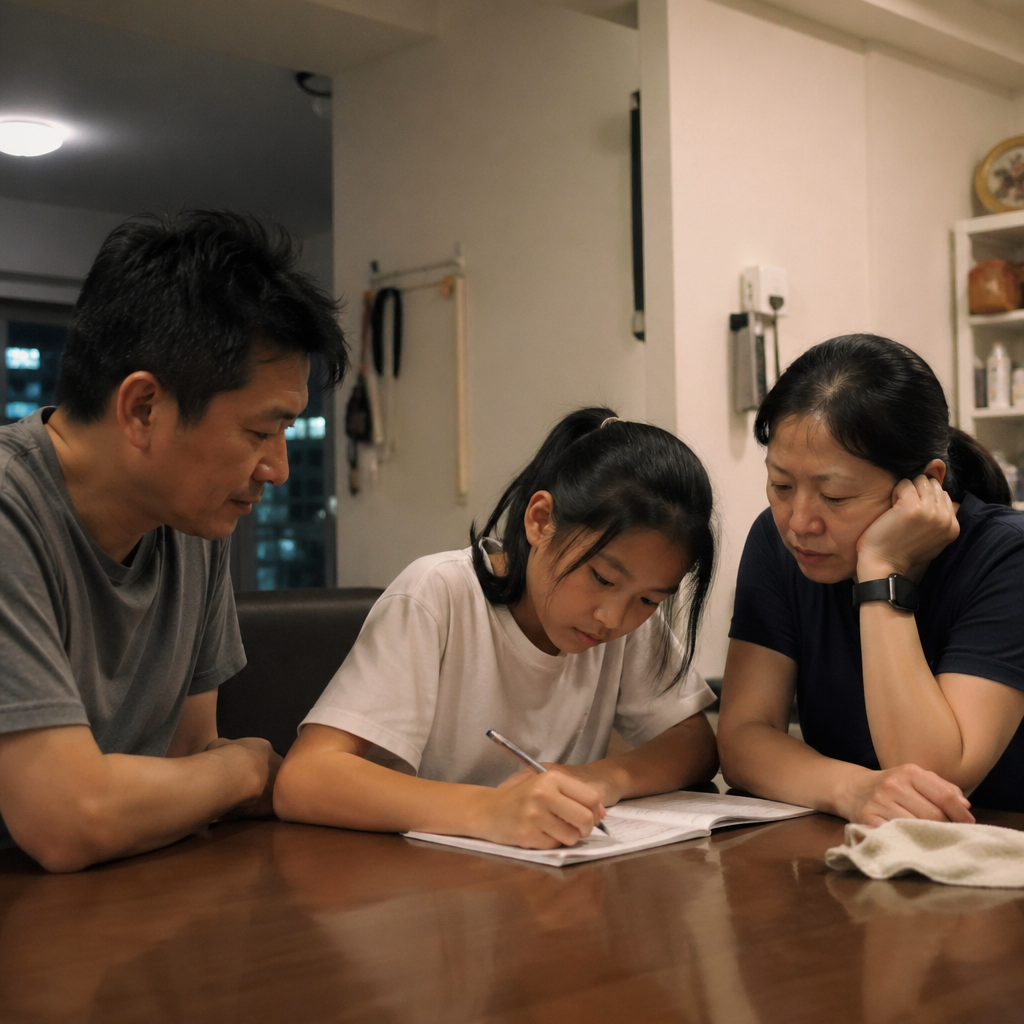
into dinner, showers, and unfinished worksheets, and before you know it, it is 10pm and your child is still trying to revise Science open-ended questions with tired eyes. In many Singapore households, this is not about a lack of care. It is about limited time, mental load, and the very real pressure of wanting to support your child well without burning everyone out.
The good news is that PSLE preparation in a dual-income household does not need to look perfect to be effective. What matters is having a realistic structure, clear expectations, and the right support system. For families who can afford tuition, this often means using outside help strategically, not as a last-minute rescue, but as part of a sustainable plan. In this guide, we will look at practical ways to manage revision, routines, communication, and emotional support when both parents are juggling work and child exam preparation.
Key Takeaways
- A realistic PSLE study schedule for working parents should fit your actual weekday constraints, not an idealised routine that falls apart by Tuesday.
- Strong PSLE preparation depends on consistency, not marathon revision sessions after long workdays.
- Good time management for PSLE students in Singapore often means breaking study into short, focused blocks around school, CCA, and family routines.
- A stable home study routine for primary school students helps reduce daily arguments because the child knows what happens when.
- Effective parent support strategies for PSLE preparation include weekly check-ins, clear subject priorities, and emotional reassurance, not constant monitoring.
- For dual-income families, tuition can lighten the load by providing structure, accountability, and targeted academic guidance.
1. Why PSLE preparation feels harder in a dual-income household
Dual-income families often face a very specific kind of stress during the PSLE year. It is not simply that everyone is busy. It is that the busiest hours of the day often overlap with the hours your child most needs supervision. By the time one parent gets home from work and the other finishes a call, your child may already be distracted, tired, or stuck on homework.
1.1 The weekday time squeeze
In many homes, the weekday evening runs like clockwork, but not in a calm way. A child gets home, eats a quick meal, heads off for tuition or enrichment, showers, then finally sits down to work only after 8pm. By then, concentration is already slipping. Parents are also running on fumes. That is why balancing work and child exam preparation can feel so draining, even for families who are usually organised.
A common mistake is trying to pack too much into weekdays. A parent may hope the child can finish school homework, revise two subjects, do one assessment book paper, and review corrections all in one night. On paper, that sounds productive. In real life, it often ends with tears, careless mistakes, and everyone feeling frustrated.
For working parents, PSLE preparation is not only about teaching content. It also means remembering test dates, checking files, printing papers, chasing corrections, messaging tutors, and keeping track of weak topics. One parent may be sitting beside the child, but mentally still thinking about work emails while trying to ask about fractions or composition planning.
This is where guilt often creeps in. Parents know their child needs support, but they also know they cannot always be available in the way they want. It helps to acknowledge that honestly. Once you stop expecting a perfect after-work revision routine, it becomes much easier to build one that is actually sustainable.
2. Building a realistic PSLE preparation plan for working parents
A workable plan should match your family’s real schedule, not someone else’s. The best PSLE study schedule for working parents is one that can be repeated week after week without constant conflict.
2.1 Start with fixed commitments first
Before planning revision, list the non-negotiables. These include school hours, travel time, meals, CCA, existing tuition, and sleep. Once these are in place, you can see the true windows available for study.
For example, if your child reaches home at 3pm on most days, has tuition on Tuesday and Thursday, and should sleep by 10pm, then weekday self-study may only be possible in 45 to 60 minute blocks. That is completely fine. A focused 45-minute Math revision session is usually far more useful than a tired two-hour session filled with distractions.
2.2 Assign each day a subject focus
Instead of asking, “What should we do tonight?”, give each day a broad theme. Monday could be English review, Tuesday Math corrections, Wednesday Science concepts, Thursday Mother Tongue practice, Friday light recap. This cuts down decision fatigue for both parent and child.
This kind of time management for PSLE students in Singapore works especially well in homes where both parents return late. Even if a helper, grandparent, or tutor supervises part of the routine, everyone knows the focus for the day. The child also feels less overwhelmed because the task is clearer from the start.
2.3 Keep weekends structured but not overloaded
Weekend revision often becomes the dumping ground for everything not completed during the week. That is when a Saturday suddenly feels like another school day. A better approach is to split weekends into shorter blocks. Saturday morning could be one timed paper and review, while Sunday afternoon is used for oral practice or Science revision.
The goal of PSLE preparation is not

to fill every free hour. It is to make sure the most important work gets done regularly. Leaving some room for rest, family time, and recovery helps children come back to revision with better focus instead of dread.
2.4 Review the plan every two to three weeks
A schedule that worked in January may not work in August. School workload changes, prelims approach, and weak topics become clearer over time. That is why it helps to review your plan regularly instead of treating it as fixed for the whole year.
For instance, if your child is coping well with English and Mother Tongue but still struggling with Math problem sums, you may need to shift more revision time there. Small adjustments are often more effective than dramatic overhauls. They also make PSLE preparation feel responsive rather than rigid.
3. Creating a home study routine for primary school students when parents get home late
A strong home study routine for primary school students matters even more when parents cannot supervise every minute. Routine reduces reliance on reminders, nagging, and last-minute panic.
3.1 Make the first hour after school predictable
Children often lose the first hour after school because there is no clear transition plan. If your child comes home and drifts straight to a tablet or television, getting them into revision mode later becomes much harder. A better routine might be snack, shower, 20 minutes of rest, then homework at a fixed time.
For example, a Primary 6 student who starts work at 4.30pm daily is likely to settle faster than one who waits until a parent comes home to begin. Even if no parent is physically there, a visible checklist on the desk can guide the child. It could say: complete school homework, mark corrections, revise one topic, pack bag.
3.2 Use simple systems your child can follow independently
A dual-income household needs routines that do not fall apart when one parent has a late meeting. Colour-coded files, a weekly planner, and a tray for completed work can make a real difference. If your child knows that all Math corrections go into the blue file and all completed papers go into the tray for checking, there is less confusion and less chasing later.
This is one of the most practical parent support strategies for PSLE preparation. Support does not always mean sitting beside your child for two hours. Sometimes it means setting up a system that helps your child function well even when you are not immediately available.
3.3 Build in short review habits
A child does not need a dramatic nightly revision ritual. Short review habits are easier to keep up. Ten minutes of vocabulary review after dinner, one Science concept recap before bed, or five corrected Math questions before shower time can add up steadily over months.
That is often how PSLE preparation becomes manageable in busy homes, through small routines repeated consistently. If you want more ideas on building effective study habits, you can also read our guide on creating a productive study routine for primary students.
4. Balancing work and child exam preparation without constant conflict
One of the hardest parts of balancing work and child exam preparation is protecting the parent-child relationship. When every conversation becomes “Have you finished your paper?” or “Why is this mark so low?”, home starts to feel like an extension of school.
4.1 Separate planning time from nagging time
Instead of checking on work repeatedly every evening, have one fixed weekly planning conversation. Sunday evenings work well for many families. Sit down for 15 to 20 minutes and review the week ahead, upcoming school tests, tuition timings, and weak topics.
This helps parents sound calmer and more purposeful. Compare these two approaches. In the first, a parent asks every night, “What are you studying today?” In the second, the parent says on Sunday, “This week, let us focus on fractions, Science open-ended questions, and one English composition plan.” The second approach gives structure without creating daily friction.
4.2 Decide what truly needs parental attention
Not every task needs direct parent involvement. Some children can handle spelling review or simple worksheet completion independently. Parents may be more useful in areas like checking whether corrections were done properly, discussing mistakes, or arranging extra support for a weak subject.
This matters for time-poor families. If both parents are stretched, save your energy for the parts of PSLE preparation where your involvement has the greatest impact. A 20-minute review of why your child lost marks in a Science explanation can be more valuable than hovering over basic homework for an hour.
4.3 Protect rest and emotional recovery
A child who is constantly rushed from school to tuition to revision may become resistant, even if they are capable. Sometimes what looks like laziness is really fatigue. Parents usually see this on weeknights when a child stares blankly at a problem sum after a long day and simply cannot process one more question.
A realistic plan includes rest. That might mean one lighter evening each week, or ending revision by a fixed time so your child can decompress. Sustainable PSLE preparation depends on emotional bandwidth too. Children who feel calmer and more rested are usually more teachable and less likely to melt down over small mistakes.
5. When tuition helps PSLE preparation in a dual-income family
For families where both parents work, tuition is often less about outsourcing responsibility and more about creating stability. It can provide the academic structure that busy households struggle to maintain consistently on their own.
5.1 Tuition can reduce chaos, not add to it
The wrong tuition arrangement can overload a child, but the right one can simplify the week. If your child is weak in Math problem sums and Science answering techniques, a tutor can target those areas directly instead of leaving parents to guess what to revise after work.
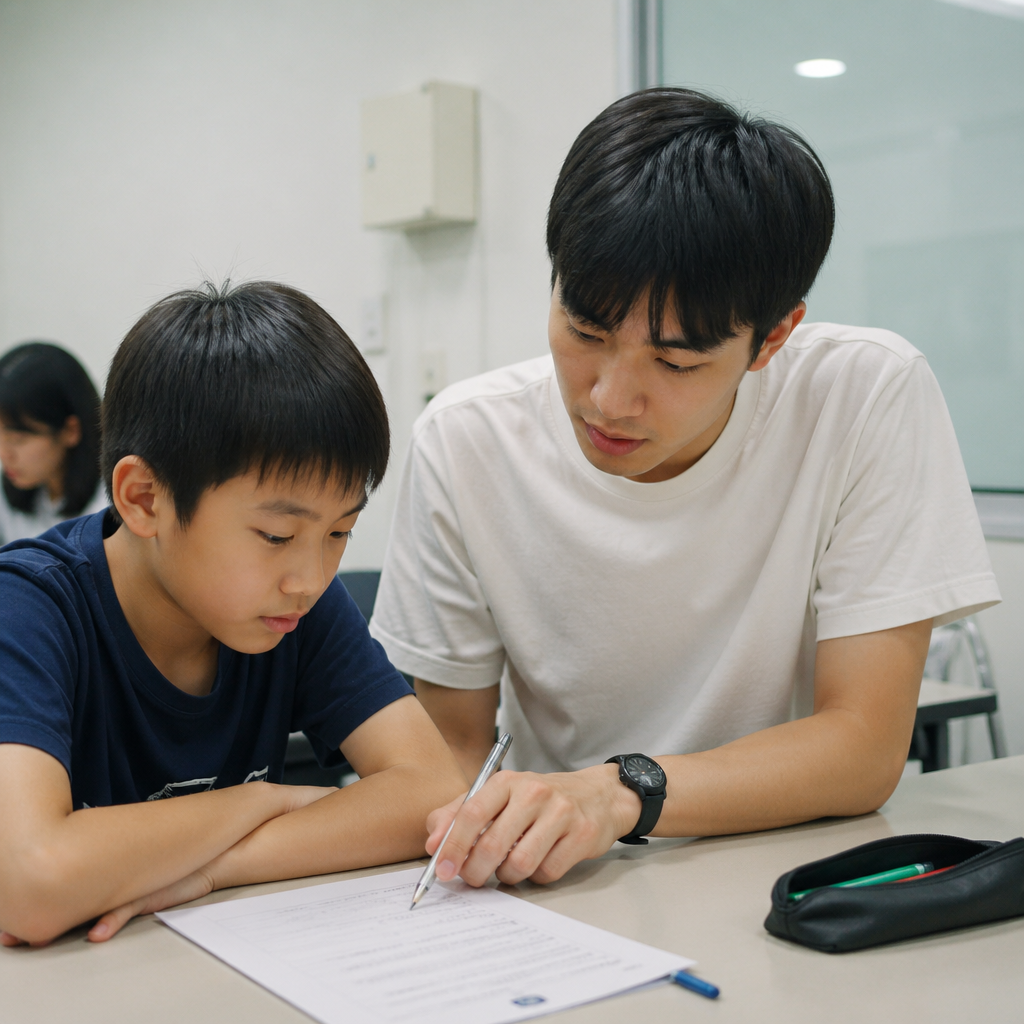
This is especially useful when parents have limited capacity to teach. After a long office day, many parents can supervise, but not necessarily explain concepts clearly. A tutor can take over the heavier academic lifting while parents focus on routine and encouragement.
5.2 Look for support that fits your household rhythm
When choosing help, think beyond academic reputation. Ask whether the arrangement suits your family’s schedule and your child’s temperament. A child who is already drained by travel may do better with home tuition than another centre class. A child who needs accountability may benefit from a tutor who gives weekly goals and clear feedback.
For dual-income parents, this kind of support strengthens parent support strategies for PSLE preparation. It gives you clearer visibility into your child’s progress without requiring you to manage every worksheet personally.
5.3 Use tuition as part of a system
Tuition works best when it connects to the home routine. If a tutor covers percentages on Wednesday, the home plan might include reviewing corrections on Thursday and doing one short practice on Saturday. This keeps learning active between lessons.
Parents can also refer to the Ministry of Education Singapore for broader information on the PSLE framework and school-related expectations, while relying on tutors for targeted academic support. If you are comparing options, our article on how to choose the right PSLE tutor may also help.
6. Parent support strategies for PSLE preparation that work even with limited time
Many parents think support means being constantly present. In reality, some of the best parent support strategies for PSLE preparation are small, consistent actions that reassure the child and keep the process on track.
6.1 Use five-minute check-ins
A short daily check-in can be enough. Ask three questions: what did you finish, what was difficult, what needs help tomorrow? This gives you a quick picture without turning the evening into an interrogation.
For example, if your child says Science was difficult because they did not know how to phrase the answer, you can flag that for the tutor or set aside time over the weekend to review answer techniques. These quick conversations help parents stay informed even on busy workdays.
6.2 Praise effort that is specific
General praise like “good job” is less helpful than specific recognition. Say, “I noticed you corrected all your careless Math mistakes before dinner,” or “You started revision on time today without being reminded.” This reinforces habits that matter in PSLE preparation.
Children in the PSLE year often feel watched mainly for results. Specific praise reminds them that progress and discipline matter too. Over time, this can lift motivation more effectively than repeated criticism.
6.3 Keep communication between adults clear
If both parents are involved, divide responsibilities clearly. One parent might handle scheduling and tutor communication, while the other reviews school notices and checks completed work on weekends. If a grandparent or helper is involved, keep instructions simple and visible.
This matters because confusion between adults often becomes stress for the child. A shared calendar or group chat can prevent situations where one parent assumes the other checked a test paper, but nobody actually did.
6.4 Watch for signs that the routine needs adjusting
Even a good plan may need tweaking if your child is becoming unusually irritable, taking far longer than usual to finish basic work, or dreading every study session. These are often signs that the schedule is too packed, the tasks are too difficult, or the child needs more guided support.
Parents in dual-income households sometimes assume the answer is simply “more discipline.” Sometimes the better answer is a clearer routine, fewer tasks, or more targeted help. Paying attention early can prevent bigger struggles later in the year.
7. Frequently Asked Questions
7.1 How many hours of PSLE preparation should a Primary 6 child do each week in a dual-income household?
There is no single number that fits every child. What matters more is consistency and quality. A child with school, CCA, and tuition may do better with focused weekday sessions of 45 to 60 minutes and longer weekend blocks, rather than trying to study for hours every night. If your child is constantly tired or resistant, the schedule may be too heavy.
7.2 What is a practical PSLE study schedule for working parents?
A practical PSLE study schedule for working parents usually includes fixed subject themes by day, short weekday revision blocks, and two or three focused weekend sessions. For example, weekdays can be used for homework and one subject review, while weekends handle timed practice papers and corrections. The key is making the schedule realistic enough to repeat weekly.
7.3 How can I help if I am not confident teaching upper primary subjects?
You do not need to teach every topic personally to support PSLE preparation well. You can help by checking that work is completed, reviewing mistakes with your child, keeping routines stable, and getting a tutor for subjects where deeper explanation is needed. Many working parents are strongest as organisers and encouragers, not subject teachers.
7.4 Should tuition replace home revision?
No. Tuition should support home revision, not replace it. A tutor may explain concepts and set direction, but your child still needs a consistent home study routine for primary school students so that learning is reinforced between lessons. Even short review sessions at home make tuition more effective.
8. Conclusion
Managing PSLE preparation in a dual-income household is not about doing everything yourself or creating a flawless revision plan. It is about building a routine that fits real life, using smart time management for PSLE students in Singapore, and finding ways of balancing work and child exam preparation without letting stress take over the home. A clear weekly plan, a dependable home study routine for primary school students, and thoughtful parent support strategies for PSLE preparation can go a long way. For many families, the right tutor also provides the structure and subject support that busy parents simply do not have time to give consistently.
The most helpful mindset is to aim
for steady progress, not perfect control. If your child knows what to do after school, has a manageable revision plan, and feels supported rather than constantly pressured, that already puts your family in a much stronger position. Small systems, repeated consistently, often matter more than heroic last-minute effort.
We hope this article has given you a clearer picture of PSLE preparation in a dual-income household. If you are looking for specific help with structured revision, subject support, and a tutor who fits your family’s schedule, our tutors at MindFlex are experienced, carefully matched to each student, and ready to help. Contact us for a free consultation and let us find the right tutor for your child.


