


If you are wondering how to do well for English Oral in Singapore, you are definitely not alone. Many Primary and Secondary students can manage compositions and grammar worksheets reasonably well, yet freeze the moment they need to speak in front of an examiner. Parents know this situation all too well. It is the night before the oral exam, your child keeps saying, “I don’t know what to say,” and every practice question somehow ends in a one-line answer.
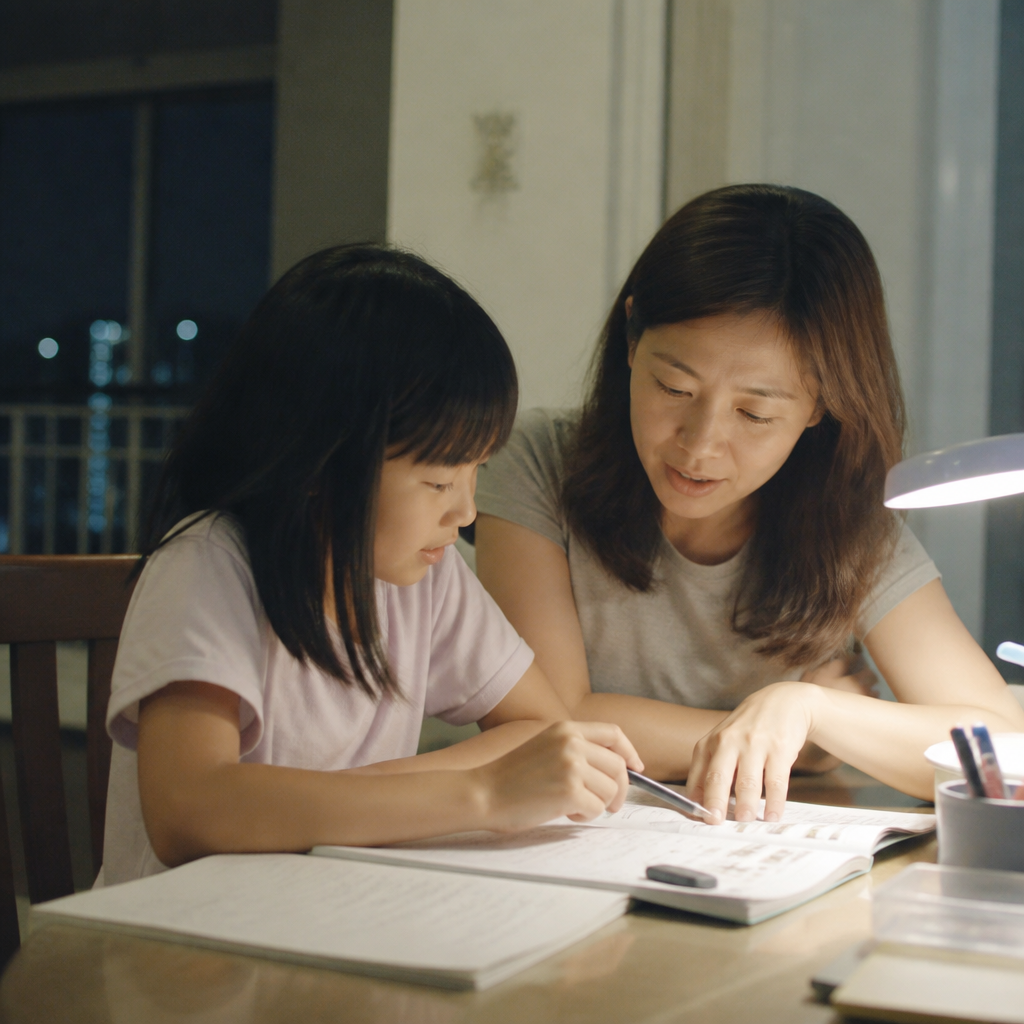
The good news is this, doing well for English Oral is not about sounding perfect or using difficult words. It is about speaking clearly, giving relevant ideas, and responding with confidence. For PSLE English Oral and Secondary oral components, students are assessed on reading aloud and spoken interaction, guided by MOE expectations such as clarity, fluency, pronunciation, and personal response. You can refer to the MOE English Language syllabus page and the SEAB website for the latest syllabus and exam information.
Key Takeaways
-
-
- Know what examiners look for. Students often think oral is about having a “nice accent”. It is not. Examiners want clear pronunciation, smooth delivery, relevant ideas, and thoughtful personal responses.
- Use a structure for every response. Students usually struggle when they speak without a plan. A simple structure helps them organise their thoughts and avoid stopping after one sentence.
- Practice at home in short, regular sessions. Ten minutes after dinner can be more useful than one long session on Sunday. This is especially true for English oral practice at home for primary students.
- Confidence comes from familiarity. If your child wants to know how to improve English oral exam confidence in Singapore, the answer is regular exposure to realistic question types, not last-minute cramming.
- Avoid short answers and memorised scripts. Real improvement happens when students learn how to think, organise, and speak naturally.
-
What Examiners Actually Want to Hear
Before jumping into practice techniques, students need to understand what “doing well” really means. This is one of the most important steps in learning how to do well for English Oral.
Clarity and fluency matter more than sounding impressive
For both Primary and Secondary levels, examiners are not looking for perfect British pronunciation or bombastic vocabulary. They want speech that is easy to follow. If a student reads aloud too quickly, swallows ending sounds, or mumbles, even a good answer loses impact.
Imagine two students answering the same question. One says, “I think the recycling campaign is important because it helps reduce waste, and in school we can encourage students to use less plastic,” in a clear and steady way. Another gives a more complicated answer, but speaks too fast and trips over words. The first student often leaves a stronger impression because the message is easier to understand.
Relevant ideas and personal response make answers stronger
For spoken interaction, examiners listen for whether the student answers the question directly, develops the response, and gives a personal point of view. If the question is about helping in the community, a flat answer like “Yes, it is good” is too thin. A stronger response explains why, mentions a real example such as packing food for needy families, and adds a personal experience or opinion.
This matters because oral is not just about speaking. It is also about thinking clearly under pressure. Students who can explain their ideas well usually sound more confident, even if their vocabulary is simple.
Natural speaking beats memorised content
Many students panic and try to prepare fixed answers for common topics like exercise, reading, or kindness. This often backfires. When the question changes slightly, they get stuck. The best ways to prepare for English oral exams in Singapore involve flexible thinking, not robotic memory.
If your child needs more guided feedback on pacing, pronunciation, and response development, working with an experienced oral-focused English tutor can help. Parents can learn more about our tutors or explore English tuition for additional support.
How to Handle Picture Discussion Better
Picture discussion is where many students lose marks because they describe only what is obvious. Strong performance comes from seeing more than the surface. These are practical tips for picture discussion in English Oral in Singapore that students can use right away.
Use the “See, Think, Link” method
A simple structure can stop students from blanking out.
Without this structure, a child may stop after saying, “There are some students and plants.” That is accurate, but far too limited to score well.
Notice actions, feelings, and purpose
Students should not just name objects. They should ask themselves, What is each person doing, how might they feel, and why are they doing it? If a picture shows a boy helping an elderly person cross the road, the student can say the boy looks caring, the elderly person may feel grateful, and the act shows social responsibility.
This habit helps students speak in fuller sentences and makes their answers sound more natural. Instead of listing details, they begin to explain the meaning behind what they see.
Avoid listing without developing
One common mistake is machine-gun description: “I see a table, a chair, a teacher, a bag, a bottle.” This sounds like item spotting, not thoughtful discussion. A better answer groups details into meaning, such as explaining that the classroom seems busy, collaborative, or noisy.
For students preparing for PSLE or school oral exams, parents can print random photos from newspapers or school websites and ask one question nightly. This builds observation and speaking speed in a practical way.
How to Answer Stimulus-Based Conversation Questions
A lot of students ask how to answer stimulus-based conversation in English Oral when they have ideas in their head but cannot express them clearly. The key is to use a repeatable speaking structure.
Try the “Answer, Reason, Example, Reflection” framework
This framework works for many oral questions.
This simple structure prevents the dreaded one-line answer that so many students give under stress.
Be ready for follow-up questions
Examiners often ask follow-up questions to see whether a student can think on the spot. A child may answer well at first, then collapse when asked, “Why do you say that?” or “Would everyone agree with you?”
Practice this at home by never stopping after one answer. If your child says, “Reading is important,” ask, “Important for who?”, “Why?”, “Can you give an example?”, and “Do you personally enjoy reading?” That extra push trains flexibility and helps students expand naturally.
Use familiar Singapore contexts
Students do not need grand stories. Everyday Singapore examples work well, such as CCA experiences, neighbourhood clean-up events, helping grandparents, taking public transport, or school campaigns on healthy living. These feel natural and believable, which makes the response stronger.
Using familiar contexts also reduces anxiety. Students usually speak better when they are talking about something they have actually seen or done.
How to Build Real Oral Exam Confidence
Fear is one of the biggest barriers to oral success. Knowing content is one thing. Speaking with a dry throat, shaky hands, and a mind gone blank is another. If your family is searching for how to improve English oral exam confidence in Singapore, focus on habits that reduce fear step by step.
Confidence grows through low-stakes repetition
A child who only practises when the exam is near will always feel oral is a huge, scary event. Instead, normalise speaking. Ask one oral-style question in the car on the way to school. Discuss one picture while waiting for dinner. Read one short passage aloud before bedtime. These small moments make spoken English feel familiar, not frightening.

Record and review, not just rehearse
Many students think they sound clearer than they really do. Recording short responses on a phone helps them hear issues like rushing, mumbling, or repeating “um” too often. The goal is not to criticise every flaw. It is to help them notice one or two areas to improve each week.
For example, if your child says “like” every few seconds, point it out gently and ask for a second attempt. Over time, the child becomes more aware and polished.
Practise calm starting routines
The first ten seconds often decide whether a student settles down or panics. Teach a simple routine: breathe in, sit upright, look at the examiner, and begin slowly. A child who rushes the first line often stumbles and loses composure. A child who starts calmly usually gains control more quickly.
Parents should also avoid creating extra pressure. Telling a nervous child, “Don’t mess this up tomorrow,” almost never helps. A better approach is, “You have practised. Just speak clearly and take your time.”
English Oral Practice at Home for Primary Students
Effective English oral practice at home for primary students should be simple, regular, and encouraging. Primary students do not need long lectures on assessment rubrics. They need routines they can actually follow.
Keep practice short and predictable
A Primary school child is unlikely to focus well for a 45-minute oral drill after a full day of classes and homework. Try 10 to 15 minutes, three to five times a week. One day can be reading aloud, another can be picture discussion, and another can be conversation questions.
Model good spoken answers
Sometimes children give weak answers because they have never heard strong spoken responses. If your child says, “I like sports because it is fun,” you can model an improved version: “I like sports because it helps me stay healthy and teaches teamwork. For example, during PE lessons, I enjoy playing captain’s ball with my classmates.”
This gives the child a clear standard without making the session feel like punishment. Over time, children begin to copy the rhythm and structure of stronger answers.
Correct selectively, not constantly
If parents interrupt every line to fix grammar, pronunciation, and vocabulary, children become scared to speak. Pick one focus at a time. Maybe today you work on speaking in full sentences. Tomorrow you work on volume and eye contact. This keeps practice productive and emotionally safe.
What Changes From Primary to Secondary
Students and parents often assume that Secondary oral is a completely different game. In reality, the core skills stay similar, but the depth of response usually increases.
What Primary students should focus on
For PSLE English Oral, students should aim for clear reading, accurate pronunciation, and simple but developed spoken responses. A Primary student does not need abstract analysis. What matters is answering the question, giving a reason, and adding a relevant example.
What Secondary students need to add
Secondary students are expected to handle broader issues with more maturity. They still need clarity and fluency, but they should also show fuller ideas and stronger personal viewpoints. If the topic is social media, a Secondary student can discuss communication, misinformation, peer pressure, and personal responsibility.
A useful way to think about the difference is this: Primary students should focus on being clear and complete, while Secondary students should aim to be clear, complete, and more thoughtful. The foundation remains the same, but the depth increases.
Common Mistakes That Hold Students Back
Knowing what not to do can be just as helpful as knowing what to do. When families ask about the best ways to prepare for English oral exams in Singapore, fixing these common mistakes often gives the fastest improvement.
Another common issue is answering a different question from the one asked. Some students hear one keyword, panic, and launch into a memorised point. Training them to pause for a second, identify the exact focus of the question, and then respond can prevent this problem.
Frequently Asked Questions
How often should my child practise English Oral before the exam?
Three to five short sessions a week is usually effective. Daily exposure is ideal if the sessions are manageable. A tired child forced into long drills may become more resistant, so consistency matters more than duration.
What if my child is shy and refuses to speak much?
Start small. Ask easy personal questions instead of formal exam questions. Let the child answer while walking, drawing, or looking at pictures. Some shy children open up more when practice feels conversational rather than test-like.
How can parents help if our own English is not very strong?
You can still help by listening, timing responses, and encouraging fuller answers. Use school passages, oral practice books, or sample materials from the syllabus as a guide. Even asking, “Can you explain more?” is useful because it trains the child to develop ideas.
Is reading aloud enough to prepare for oral?
No. Reading aloud helps pronunciation and fluency, but students also need practice for picture discussion and conversation. A child may read beautifully and still struggle to form ideas when asked a personal question.
Should students use difficult vocabulary to impress the examiner?
Not necessarily. Simple, accurate, and natural language is better than forced big words. If a student says “beneficial” correctly and naturally, that is fine. If the word is used awkwardly, it distracts from the message.
Conclusion
Learning how to do well for English Oral in Singapore comes down to a few practical habits: understand what examiners want, use clear structures for picture discussion and conversation, practise regularly at home, and build confidence through familiar routines. For both Primary and Secondary students, the goal is not to sound perfect. It is to speak clearly, give relevant ideas, and respond in a thoughtful, personal way.
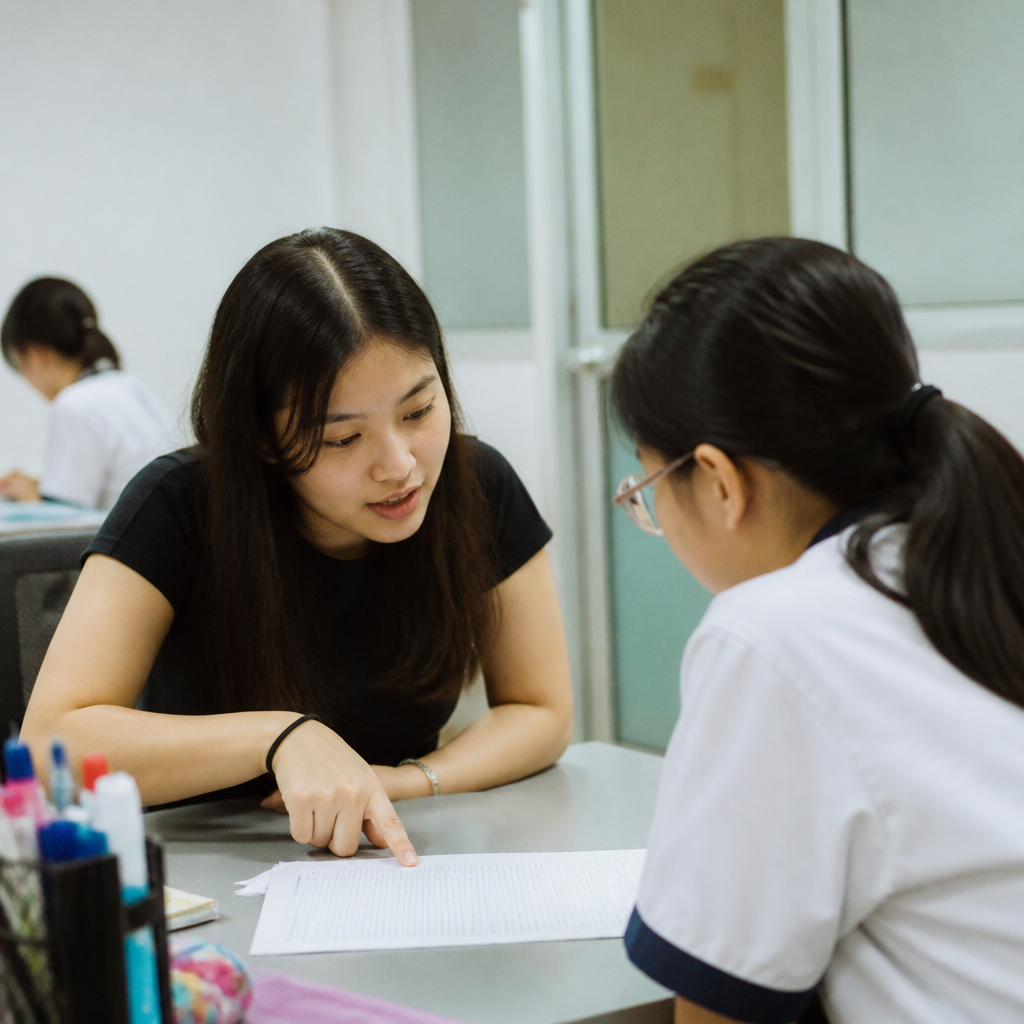
If your child struggles with fear of speaking, weak idea development, or inconsistent oral practice, targeted support can make a real difference. With the right guidance, students can move from one-line answers and awkward pauses to calm, confident responses. If you would like extra help, you can learn more about our tutors and explore oral-focused support through English tuition.


