


When a child starts falling behind in class, exam season can feel overwhelming for the whole family. You may notice more tears over homework, more excuses to avoid revision, or that quiet look on your child’s face when they say, “I don’t understand anything.” For parents searching for a tutor recommendation for stressed students, the real concern is usually not just marks. It is the worry that your child is losing confidence
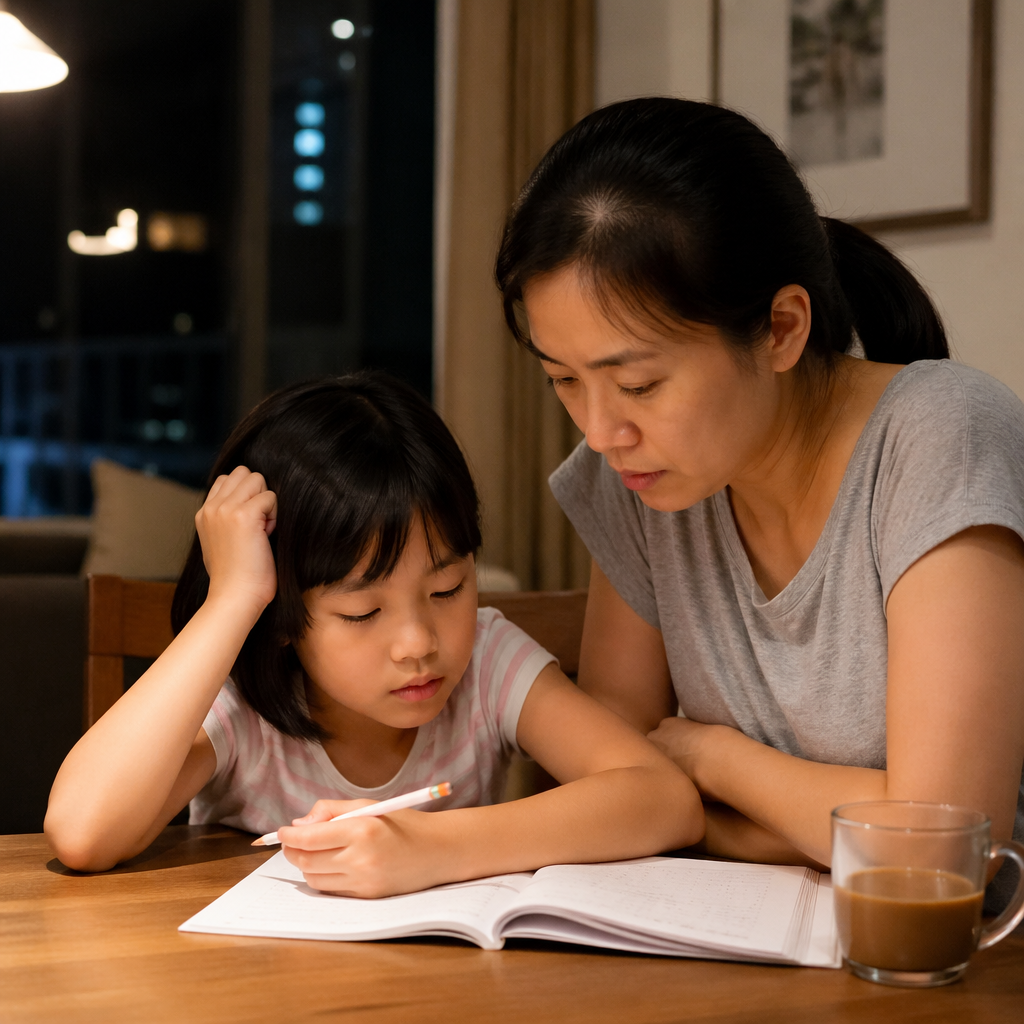
, dreading school, and carrying stress far beyond what a primary school student should have to handle.
In Singapore’s fast-paced school system, even a small learning gap can quickly grow. A child who misses one Maths concept in Primary 4 may struggle with the next three topics. A student who cannot follow comprehension lessons may feel lost every time English class starts. The good news is that the right tuition can do more than improve grades. It can reduce panic, rebuild confidence, and give your child a calmer path toward exams

.
Key Takeaways
- Tuition helps stressed students by slowing lessons down and explaining weak topics clearly. This helps children stop feeling lost in class and gives them a better sense of control over what they are learning.
- A good tutor recommendation for stressed students should focus on fit, patience, and gap-closing support. Academic results matter, but teaching style and emotional safety matter just as much for a child who already feels discouraged.
- Personalised tuition is especially helpful for closing learning gaps in primary school. This is often most noticeable in Maths, English, and Science, where one weak topic can affect many later chapters.
- Parents wondering how to help a child catch up in school in Singapore can use tuition to create structure. The right support can reduce homework battles, improve revision habits, and make exam preparation feel less chaotic.
- The right tutor provides practical academic support for struggling students in Singapore. Good tuition is not just about extra worksheets. It is about helping a child understand, recover confidence, and move forward steadily.
1. Why Falling Behind in Class Creates So Much Exam Stress
A child who feels left behind rarely says it so directly. Instead, it shows up in small daily moments. It is 8.30pm, your child has been staring at the same problem sum for 20 minutes, and the frustration is building. Or your daughter says she is “fine” after school, but suddenly cries when you mention spelling revision. These are often the moments that tell you schoolwork no longer feels manageable.
1.1 The stress is not only about exams
For many primary school children, stress begins long before the exam paper arrives. It starts when they cannot follow what the teacher is explaining, then feel embarrassed to ask questions in front of classmates. By the time exams come around, the fear has already been building for weeks or even months.
A Primary 5 student who does not understand fractions may not just worry about one worksheet. He may panic every time Maths is mentioned, because each new topic seems tied to something he already missed. That is why parents searching for a tutor recommendation for stressed students are often really looking for a way to stop this cycle before it gets worse.
1.2 Why Singapore students can feel pressure quickly
In Singapore, lessons move at a steady pace. Teachers do their best, but classrooms are busy, and not every child learns at the same speed. If your child needs one extra explanation and the class has already moved on, that gap can widen very quickly.
This is especially true for children who are quiet, easily distracted, or slower to process new concepts. They may not be weak students at all. They may simply need more targeted support and more time to absorb what they are learning. This is where academic support for struggling students in Singapore becomes so important. The goal is not to overload the child, but to help them feel steady again.
2. How Tuition Reduces Stress by Making Learning Feel Manageable Again
The biggest reason tuition helps stressed children is simple. It makes learning feel possible again. A child who feels lost in school often does not need more pressure. They need lessons broken down into smaller, clearer steps, with someone patient enough to meet them where they are.
2.1 Tuition gives children space to ask without shame
In class, some students stay silent because they do not want to look slow. In one-to-one or small-group tuition, they are much more likely to ask, “Can you explain again?” That one question can make a huge difference.
For example, a Primary 3 child who keeps mixing up multiplication and addition may be too embarrassed to ask in school. With a patient tutor, the child can go through simple examples slowly, such as using repeated groups of apples or coins, until the concept finally clicks. That moment of understanding reduces stress almost immediately, because the child is no longer pretending to understand.
2.2 Tuition turns panic into a plan
Children often feel stressed when everything seems equally confusing. A tutor helps sort that mess out. Instead of “I’m bad at English,” the problem becomes, “You are struggling with open-ended comprehension because you do not know how to find evidence from the passage.”
That is much easier to fix. Good tuition focuses on specific weak areas, whether it is vocabulary, problem sums, or answering Science keywords accurately. This is how closing learning gaps in primary school can also reduce emotional stress. The child starts seeing progress in smaller, manageable pieces, and that feels far less scary than one big cloud of failure hanging over every subject.
2.3 Tuition creates a calmer revision routine
Another reason tuition reduces exam stress is that it gives children a more predictable routine. Instead of last-minute cramming before tests, they revise weak topics regularly with guidance. This makes exams feel less like a sudden threat and more like something they have been preparing for step by step.
For many families, this structure is a major relief. Children who know what to revise each week often feel less overwhelmed, and parents no longer have to guess which topics need the most attention. Even the atmosphere at home can feel lighter when revision stops being a nightly struggle.
A steady routine also helps children feel that schoolwork is no longer one giant emergency. When they know there is a plan, they usually become less reactive, less avoidant, and more willing to try.
3. What Kind of Tuition Helps Children Who Feel Left Behind Most
Not all tuition reduces stress. Some children become even more anxious if tuition simply adds more worksheets, more scolding, or more pressure to perform. For stressed primary school students, the right match matters just as much as the subject taught.
3.1 Look for a tutor who teaches with patience, not speed
A child who already feels behind does not need a tutor who rushes through ten questions just to finish a worksheet. They need someone who notices where the confusion starts and is willing to slow down there.
Imagine a Primary 4 student who keeps getting Science questions wrong. A less suitable tutor may just mark the answers and move on. A better tutor will realise the child does not understand how to identify keywords like “observe,” “describe,” or “explain.” Once that is addressed, the child becomes calmer because the questions stop feeling random and impossible.
This is why a careful tutor recommendation for stressed students search should focus on teaching style, not just qualifications. A tutor who can help your child feel safe making mistakes is often the one who reduces stress the fastest.
3.2 One-to-one support can be especially useful
For children who are already anxious, personalised tuition often works better than large classes. In a crowded group, they may still stay quiet and hide their confusion. In one-to-one lessons, the tutor can pause, repeat, and adjust the pace based on what the child actually needs that day.
This can be especially helpful for parents asking how to help a child catch up in school in Singapore without making the child feel even more pressured. The best support often feels calm, structured, and focused on understanding, not punishment or comparison.
3.3 Small-group tuition can still work for some children
While one-to-one tuition is often ideal, some children do well in very small groups where they can see that others also have questions. A supportive small-group setting can reduce the feeling of being the only one struggling. The key is keeping the group small enough for the tutor to notice each child’s gaps and respond properly, instead of teaching at one fixed pace.
4. How Tuition Helps with Closing Learning Gaps Primary School Students Commonly Face
Many exam worries are really learning-gap worries. Children do not usually fear exams only because exams are hard. They fear exams because they know there are topics they never fully understood, and they are afraid those weak spots will show up again.
4.1 Maths gaps can snowball very quickly
In primary school Maths, one weak area often affects the next topic. If your child is shaky in times tables, fractions and division become harder. If they struggle with place value, problem sums can feel impossible.
A tutor can identify exactly where the gap began. Instead of drilling current exam papers immediately, the tutor may go back and rebuild the foundation first. For a parent, this can feel slower at the start. But for the child, it often brings huge relief. Suddenly, they are not just memorising methods. They actually understand what they are doing, and that changes the way they approach the subject.
That is the heart of closing learning gaps in primary school. When the foundation is repaired, exam stress drops because the work stops feeling like guesswork.
4.2 English and Science gaps often hide under “careless mistakes”
Sometimes parents hear that their child is making careless mistakes, but the issue is deeper. A child who writes weak comprehension answers may not know how to infer meaning. A child who loses Science marks may not understand how precise answers need to be.
Tuition can uncover these hidden gaps. For example, a tutor might realise that a child knows the Science concept but cannot phrase the answer in the proper way. Once taught how to structure responses, the child becomes less fearful of tests because they know what examiners are looking for.
This kind of academic support for struggling students in Singapore is not about endless drilling. It is about finding the real reason the child is stuck, then working on that problem clearly and patiently.
4.3 Early gap-closing prevents bigger stress later
When learning gaps are addressed early, children are less likely to carry confusion into the next term or school year. This matters because many subjects build on previous knowledge. A child who catches up now is not only preparing for the next exam, but also protecting their confidence in future topics. That confidence can make a real difference when school starts feeling demanding again.
5. How to Help a Child Catch Up in School in Singapore Without Increasing Pressure at Home
Parents often try their best to help, but home can become tense very quickly. What starts as “Let’s revise for 20 minutes” turns into frustration on both sides. Your child shuts down. You get worried. Everyone ends the night feeling defeated.
5.1 Tuition can protect the parent-child relationship
One underrated benefit of tuition is that it removes some of the teaching pressure from parents. Your child may resist correction from you, not because they do not respect you, but because home already feels emotionally loaded.
For example, if every Maths session ends in tears, even a simple reminder to revise can trigger stress. A tutor creates a separate learning space. This allows you to return to being the parent who comforts, encourages, and supports, instead of the parent who is always chasing homework or correcting mistakes.
For families wondering how to help a child catch up in school in Singapore, this matters a lot. Sometimes reducing exam stress is not only about better teaching. It is also about making home feel calmer again.
5.2 Small wins rebuild confidence faster than lectures
A good tutor gives children achievable steps. Instead of saying, “You must improve your whole subject,” the tutor may set a goal like mastering one type of problem sum this week or learning how to answer one comprehension question type properly.
These small wins matter. A child who gets three questions right after weeks of confusion feels hope again. That hope often leads to more willingness to try, and that willingness reduces exam dread over time. Children who feel they can improve are usually much more open to learning than children who feel they are always failing.
5.3 Parents can support without over-managing
Tuition works best when parents use it as support, not as a reason to increase pressure. Instead of asking only about marks, ask your child what now feels easier. Praise effort, consistency, and courage in asking questions. This helps your child connect learning with progress rather than fear, which is often what they need most when confidence has taken a hit.
A simple weekly check-in can help. Ask what topic felt clearer this week, what still feels hard, and what kind of help would make revision easier. This keeps communication open without turning every conversation into a performance review.
6. What Parents Should Look for When Seeking a Tutor Recommendation for Stressed Students
If your child is already anxious, choosing tuition should be done carefully. The wrong fit can make your child feel that they are being punished for struggling. The right fit can make them feel understood and supported.
6.1 Ask about experience with anxious or discouraged learners
A tutor may be academically strong but still not be the best fit for a stressed child. Ask whether the tutor has experience helping children who have lost confidence, fallen behind, or become fearful of exams.
For instance, if your child freezes during timed practices, the tutor should know how to rebuild confidence gradually. They might begin with untimed revision, then slowly introduce short practices once understanding improves. This is very different from throwing the child straight into full papers and hoping for the best.
That is why a tutor recommendation for stressed students search should include emotional fit, not just subject expertise.
6.2 Look for clear communication and realistic goals
A good tutor should be able to explain what your child is struggling with in simple terms. Not vague comments like “needs more practice,” but specific observations such as “she understands vocabulary but cannot identify what the question is asking.”
This helps parents see whether the tuition is truly targeted. It also means expectations stay realistic. If your child has several months of gaps, the first goal may be reduced anxiety and stronger basics, not instant top marks. That is often the most honest and effective path, especially for children who already feel discouraged.
6.3 Choose support that matches your child’s personality
Some children need a gentle and encouraging tutor. Others respond well to a more structured and firm style, as long as it is not harsh. The best tuition fit depends on how your child learns, how they react to mistakes, and what currently triggers their stress. A thoughtful match often makes a bigger difference than parents expect, because children learn best when they feel safe enough to try.
For more guidance on choosing suitable support, parents can also read our article on how to choose the right home tutor for your child.
7. Frequently Asked Questions
7.1 How do I know if my child’s exam stress is due to falling behind in class?
Look for patterns, not one bad day. If your child often says lessons are too fast, avoids certain subjects, gets unusually upset over homework, or cannot explain basic concepts from recent topics, they may be struggling to keep up. Exam stress in this case usually comes from feeling unprepared, not laziness.
7.2 Will tuition make my child even more tired?
It depends on the type of tuition. If lessons are too long, too intense, or not suited to your child’s needs, yes, it can add pressure. But well-matched tuition often reduces stress because your child understands schoolwork better and spends less time panicking over homework later.
7.3 How long does it take for tuition to reduce stress?
Some children feel relief within a few lessons, especially if they finally understand a topic that has been confusing them. Bigger confidence changes usually take longer. If a child has been feeling behind for months, expect gradual progress rather than overnight transformation.
7.4 Is one-to-one tuition better than group tuition for stressed primary school students?
For many anxious children, yes. One-to-one tuition gives them more room to ask questions and learn at their own pace. However, the best option still depends on your child’s personality, subject needs, and comfort level.
7.5 What if my child refuses tuition at first?
This is common, especially if your child already feels discouraged. Try presenting tuition as support, not punishment. Instead of saying, “You need tuition because your results are bad,” say, “Let’s find someone who can explain things in a way that feels easier for you.” The wording matters more than many parents realise.
8. Conclusion
When a child feels left behind in class, exam stress often grows quietly before parents fully see it. It shows up in homework battles, low confidence, and that sinking feeling your child gets whenever tests are mentioned. The right tuition can change this by slowing things down, identifying the real learning gaps, and helping your child feel capable again. For families looking for academic support for struggling students in Singapore, or wondering how to help a child catch up in school in Singapore, the key is not just more practice. It is the right support, at the right pace
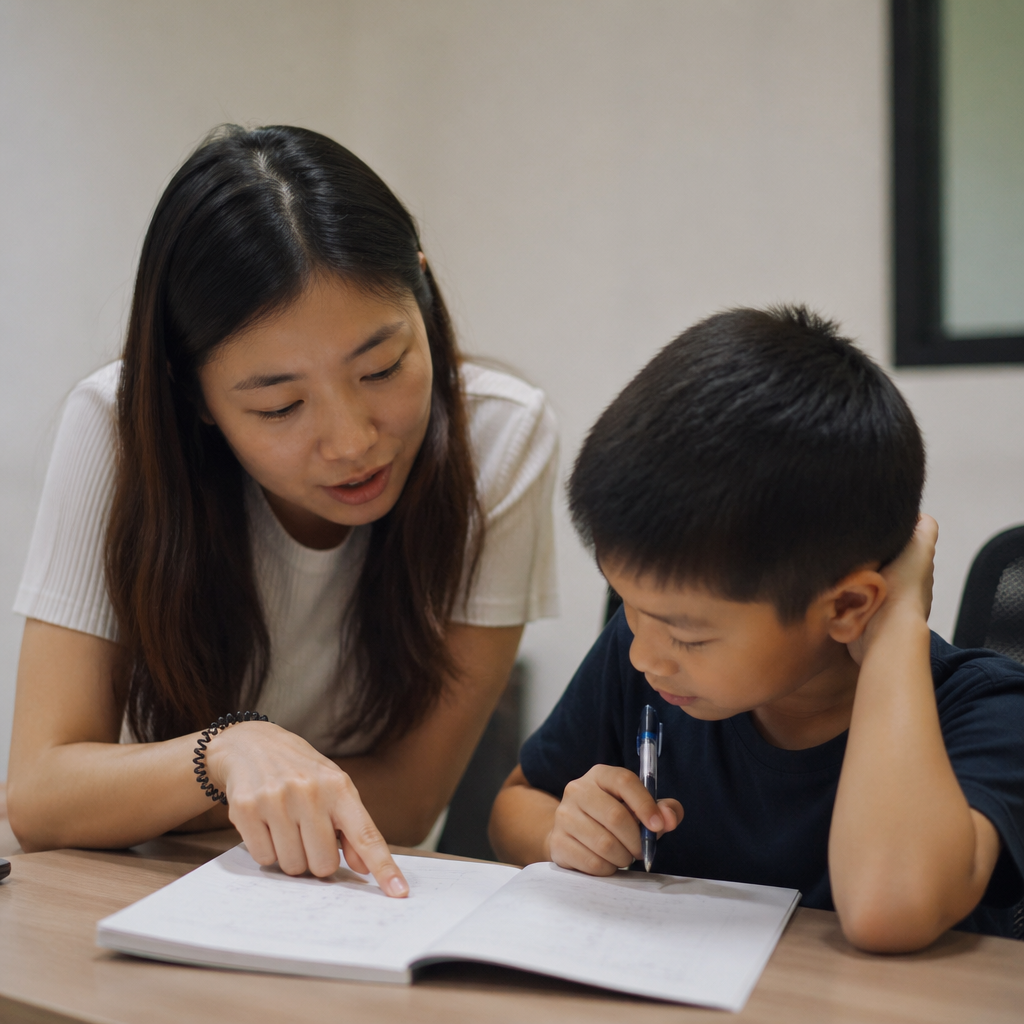
, with the right tutor.
We hope this article has given you a clearer picture of how tuition reduces exam stress for students who feel left behind in class. If you’re looking for personalised support for a stressed primary school child, our tutors at MindFlex are experienced, carefully matched to each student, and ready to help. Contact us for a free consultation and let us find the right tutor for your child.


