


When parents first consider one to one tuition, the question is often not just, “Will this help my child score better?” It is also, “Will the tutor know how to teach my child at the right speed?” That concern is very real. In many homes across Singapore, this scene feels familiar. It is after a long school day, your child is staring at a worksheet.
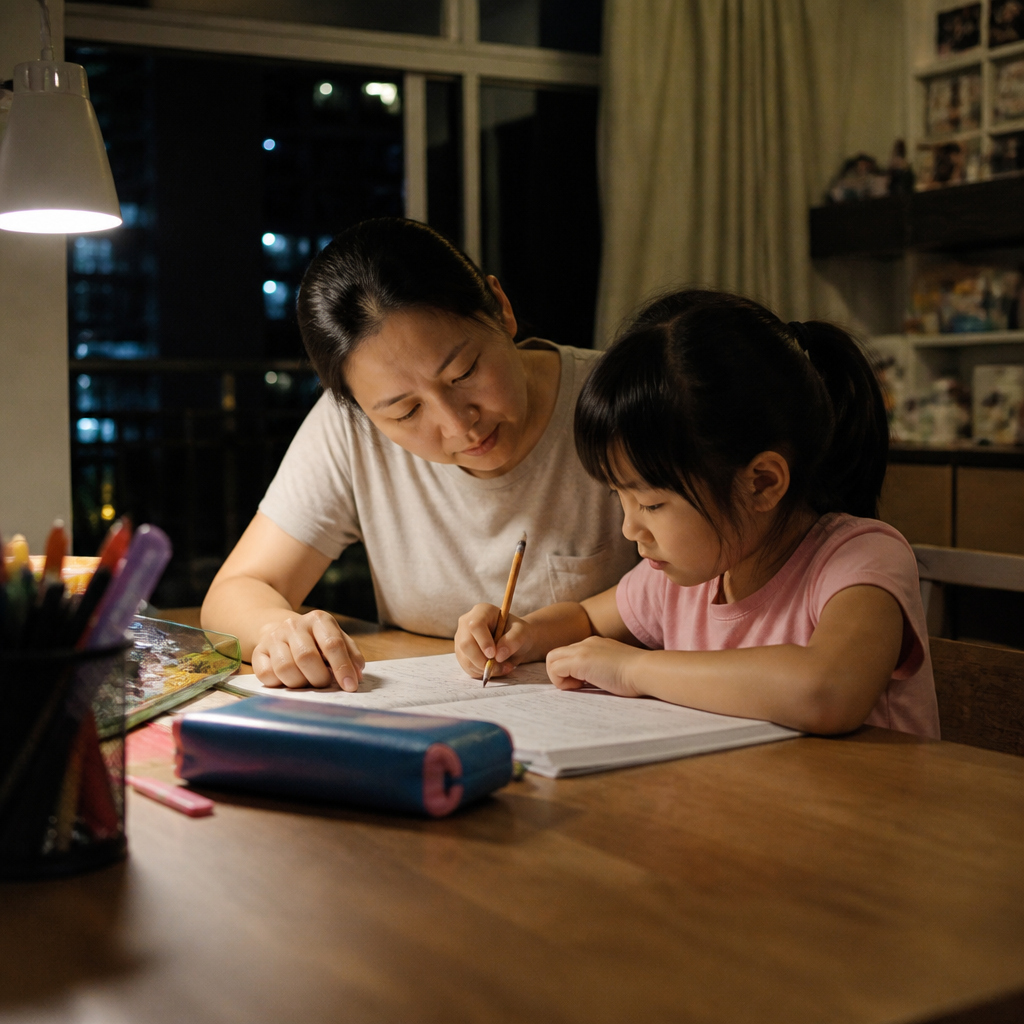
, getting more upset by the minute, and you are sitting nearby wondering whether more practice is helping at all, or only making things worse.
This is where one to one tuition can make a real difference. Unlike a class setting, where one pace has to fit everyone, private lessons can be adjusted to the individual learning pace in students. A good tutor does not simply teach more. They teach differently, in a way that responds to how fast a child understands, forgets, applies, and builds confidence.
Key Takeaways
- One to one tuition allows lessons to move at your child’s actual pace, not the pace of the class. If your child needs 20 minutes to fully grasp fractions instead of 5, the tutor can slow down without the pressure of holding others back. This makes learning less stressful and often more productive.
- A tutor can adjust both speed and teaching style, which matters because some children learn slowly due to weak foundations, while others learn quickly but make careless mistakes. These need different responses, not the same worksheet repeated. Personalised pacing helps the tutor address the real issue instead of treating every child the same way.
- Good one to one tuition teaching strategies include checking understanding in real time, breaking topics into smaller steps, and speeding up only when mastery is clear. This helps prevent the common situation where a child says “I understand” but cannot do the next question alone. It also reduces the risk of hidden gaps building up over time.
- Adapting lessons to student ability is especially useful in Singapore’s exam system, where gaps in Primary Math, Secondary Science, or English comprehension can build up quickly from one term to the next. A tutor who adjusts pace well can help close those gaps before they affect confidence and results more seriously.
- Parents should look for tutors who can explain how they personalise lessons, not just promise improvement. A practical tutor should be able to describe how they handle a child who learns slowly, a child who rushes, and a child whose confidence drops easily. Clear answers usually show that the tutor has real experience adapting lessons thoughtfully.
Why Learning Speed Matters So Much in One-to-One Tuition
In school, teachers usually have to follow a scheme of work. Even with the best intentions, they cannot pause an entire class for one student who needs another example. They also cannot always stretch a fast learner who has already understood the topic. That is why learning speed matters so much in one to one tuition. The lesson can be shaped around the child, not the timetable.
Slow learning does not always mean weak ability
Some children process information more slowly because they are cautious. They want to be sure before answering. Others may have missed one earlier concept, so every new chapter feels harder than it should. A Primary 5 student who still struggles with multiplication facts will naturally take longer with fractions and percentages. In this case, the issue is not laziness. It is a pace mismatch and a gap in foundations.
A tutor using a personalised teaching approach Singapore parents appreciate will usually spot this quite quickly. Instead of pushing through the worksheet just to finish it, the tutor may step back, rebuild the missing skill, and then return to the current topic. That one adjustment can save a lot of tears and frustration later on.
Fast learning can also hide problems
On the other hand, some students seem fast because they answer quickly, but they may skip steps, misread questions, or rely on guessing. A Secondary 2 student may finish algebra questions in minutes, yet still lose marks because of sign errors. For this child, the tutor should not simply hand over harder questions right away. The method has to slow the thinking down while keeping the child interested.
This is one of the strengths of adapting lessons to student ability. The pace can be fast when introducing a concept, but slower when checking accuracy, method, and exam habits. In other words, the tutor is not just matching speed. The tutor is shaping how the child learns.
One-to-One Tuition Teaching Strategies That Match

Different Learning Speeds
Not every tutor adapts lessons well. Some simply repeat what the child already heard in school. Effective one to one tuition teaching strategies are more intentional. They help a child learn at a pace that is challenging enough to encourage growth, but not so fast that confidence starts to crack.
Chunking topics into manageable steps
A tutor may break one topic into smaller parts instead of trying to cover the whole chapter in one sitting. For example, in PSLE Math, “fractions” can be split into equivalent fractions, comparison, addition, and word problems. A slower learner may spend one full lesson just comparing fractions visually with bar models. That is not wasted time. It is targeted teaching that builds understanding properly.
For a faster learner, the tutor may move through the basics quickly, then spend more time on multi-step problem sums or trickier application questions. The pace changes, but the lesson still feels purposeful because each stage matches the student’s readiness.
Using teach, check, reteach cycles
A strong tutor does not assume one explanation is enough. They teach a concept, check understanding with a short question, and reteach if needed using a different method. In English comprehension, for instance, a tutor may explain how to infer character feelings, ask the student to attempt one question, then realise the child is still copying phrases blindly. The tutor can then switch to guided prompts such as, “What did the character do?” and “What does that action suggest?”
This approach suits the individual learning pace in students because it is responsive. The lesson does not move on just because time is up. It moves on when understanding is more secure.
Adjusting question difficulty in real time
A child who is overwhelmed by a full exam paper may shut down in the first ten minutes. In one to one tuition, the tutor can start with simpler questions, build momentum, and then gradually increase the difficulty. This is especially helpful when confidence is low, because early success often makes the student more willing to keep trying.
For another child who gets bored easily, the tutor might begin with one standard question, then move quickly into application and challenge questions. The same topic is being taught, but the pacing and the question ladder are different. That is what real adaptation looks like during an actual lesson.
Building in short review points
Another useful strategy is to revisit earlier material briefly before moving on. A tutor may spend the first five to ten minutes reviewing last week’s key method, vocabulary, or formula. This is especially helpful for students who understand during the lesson but forget by the next session.
For example, a tutor teaching lower secondary Science might begin with three quick questions on the previous chapter before introducing a new concept. If the student remembers well, the review is short. If not, the tutor immediately knows that the pace needs adjusting. These small review points help prevent the false impression that a child has mastered something when the learning is still fragile.
How Tutors Adapt Lessons to Student Ability in Practical Ways
Parents often hear phrases like “customised lessons” or “tailored teaching”, but what does that really look like during a tuition session? In practice, adapting lessons to student ability means making small, constant decisions based on how the child responds.
Changing the explanation style
If a student does not understand a Science concept from a textbook explanation, the tutor may switch to a daily life example. A child struggling with heat transfer may understand it better when the tutor talks about why a metal spoon in hot soup becomes warm. For another student, a labelled diagram may work better than a verbal explanation.
This is part of a personalised teaching approach Singapore families often find helpful, especially when children say, “My teacher already explained, but I still don’t get it.” Sometimes the issue is not the topic itself. It is the way the topic was first presented.
Adjusting wait time and response pressure
Some children need time to think. If a tutor asks a question and fills the silence too quickly, the child learns to depend on prompts. A better tutor gives space. For example, after asking how to solve a ratio question, the tutor may wait quietly for ten seconds, then ask, “What is the first thing you notice?” instead of giving away the answer.
For a child who thinks quickly but carelessly, the tutor may do the opposite. They may require the student to explain each step aloud before writing it down. This slows the pace in a useful way and improves accuracy. In both cases, the tutor is managing pace with intention.
Replanning the lesson on the spot
A tutor may arrive planning to cover two comprehension passages, then realise the student cannot identify the main idea confidently. Instead of pushing through, the tutor spends the lesson on one passage and teaches annotation techniques properly. That flexibility is one of the biggest advantages of one to one tuition.
It also shows why private tuition can be more effective than simply assigning more homework. The tutor is not just delivering content. The tutor is responding to the child’s actual learning needs in the moment.
Matching the amount of independent work
Some students benefit from guided practice first, while others need to try questions independently sooner. A tutor who adapts well will vary this balance. A child with low confidence may need the first two examples done together before attempting one alone. A more secure student may only need one demonstration before working independently.
This matters because too much help can create dependence, while too little can create frustration. Good pacing is not only about how fast the tutor speaks or how many pages are covered. It is also about when support is given and when it is gradually removed.
Signs That One-to-One Tuition Is Truly Adapting to Your Child’s Pace
Parents do not always sit through the whole lesson, so it can be hard to tell whether the tutor is genuinely adjusting or just following a fixed routine. There are, however, a few clear signs that one to one tuition is being paced well.
Your child can explain what they learned
A good sign is when your child can say more than, “We did Math.” They might say, “Today I learned how to spot when to use model drawing,” or, “Teacher showed me how to find evidence in the passage before answering.” That shows the lesson was pitched at a level they could process and retain.
If your child keeps saying, “Too fast,” or “I still don’t know why,” the tutor may not be matching the learning speed well enough. Those comments are worth paying attention to, especially if they happen week after week.
The tutor changes plans based on performance
You may hear the tutor say, “We spent extra time on decimals because she was shaky,” or, “He was strong in the basics, so we moved on to exam questions.” That is a healthy sign. It shows the tutor is using one to one tuition teaching strategies rather than following a rigid script.
A tutor who adapts well should be able to explain not only what was taught, but also why the lesson was paced that way. That kind of reflection usually leads to better long-term progress.
Progress looks steady, not rushed
Real progress often looks like fewer meltdowns, better homework independence, and more willingness to try. A Secondary 3 student who used to freeze at Chemistry questions may now attempt the first part confidently before asking for help. That kind of shift matters. It shows the pace is manageable enough for learning to stick.
Steady progress is often more meaningful than dramatic short-term improvement. When a child learns at the right pace, understanding tends to last longer and confidence grows more naturally.
How This Personalised Teaching Approach Helps Children in Singapore’s School System
Singapore’s school system moves quickly. Topics build on one another, and assessments come regularly. When a child falls behind, it can feel like every new worksheet reminds them of what they do not know. This is where a personalised teaching approach Singapore parents choose can be especially valuable.
It helps close gaps before they widen
A Primary 4 child who is weak in grammar may struggle even more in Primary 5 composition and comprehension. A Secondary student who is unsure about algebra basics may find E Math increasingly stressful. In one to one tuition, the tutor can pause current work long enough to repair these gaps without embarrassing the child.
That matters emotionally too. A child who keeps failing in class may start saying, “I’m just bad at this.” When lessons are adjusted properly, the child starts to experience smaller wins, such as getting three questions right in a row or finally understanding a concept that used to feel impossible. Those moments may seem small, but for a discouraged child, they can change the whole mood around studying.
It reduces the stress of comparison
In group settings, children often compare themselves with classmates or siblings. In one-to-one lessons, there is less pressure to keep up with others. The child can ask “simple” questions without fear. That changes the atmosphere of learning and often makes the child more willing to participate.
Picture a tired Tuesday evening. Your child has come home from school, tuition homework is waiting, and confidence is already low. A tutor who knows how to work at the child’s pace can turn that hour from another struggle into a lesson where the child feels safe enough to think, make mistakes, and improve. For many families, that emotional shift is just as valuable as the academic one.
It supports better exam preparation
Adapting to learning speed is also useful when exams approach. Some students need more time to master content before attempting timed papers. Others know the content but need practice managing time, checking work, and handling pressure. A one-to-one tutor can decide which stage the student is at and plan accordingly.
This prevents a common problem: giving full exam papers too early to a child who still lacks core understanding. It also prevents the opposite problem of staying too long on easy work when the student is ready for timed practice. In exam years especially, this balance can make tuition much more effective.
What Parents Should Ask Before Choosing a One-to-One Tuition Tutor
If you are considering one to one tuition, it helps to ask questions that reveal how a tutor handles different learning speeds. This is often more useful than asking only about qualifications.
Ask how the tutor teaches a child who learns slowly
A practical answer might include breaking topics down, using more examples, revisiting foundations, and checking understanding frequently. Be cautious if the answer is simply, “I give more practice.” More practice helps only when the child actually understands what they are practising.
Ask how the tutor handles a child who learns fast but makes careless mistakes
A capable tutor may mention timed drills, error analysis, verbal reasoning, or requiring full working. This shows they understand that fast learners also need pacing adjustments. It also suggests they are thinking beyond content coverage and paying attention to exam habits.
Ask how lesson plans change from week to week
The best tutors usually monitor what the student mastered, where they hesitated, and what needs review. This is the heart of adapting lessons to student ability. It should not sound random. It should sound responsive and thought through.
Ask how progress is communicated to parents
It also helps to know whether the tutor gives short updates after lessons or flags recurring issues early. A tutor who notices patterns, such as weak retention, careless reading, or anxiety during harder questions, is more likely to adjust pacing effectively. Clear communication helps parents understand whether the child needs more revision, more rest, or simply a different teaching approach.
If you want a broader sense of school expectations and curriculum direction, parents can also refer to the moe.gov.sg. For families exploring private tuition options, it also helps to review a clear contact page for home tuition enquiries before making a decision.
Frequently Asked Questions
Is one to one tuition only for children who are weak in studies?
No. One to one tuition can help both struggling and strong students. A weaker student may need slower explanations and more foundation work. A stronger student may need faster progression, deeper questions, and better exam discipline. In both cases, the value comes from matching the lesson to the child’s learning speed.
How do I know if my child needs a slower or faster teaching pace?
Look at what happens during homework and revision. If your child takes a long time to understand new concepts, forgets steps easily, or becomes anxious quickly, they may need a slower, more structured pace. If they understand quickly but lose marks through rushing or boredom, they may need a faster lesson flow with built-in checks for accuracy.
Can one to one tuition really improve confidence?
Yes, when the tutor teaches at the right pace. Confidence often grows when a child experiences understanding in manageable steps. A child who used to avoid word problems may start attempting them after a tutor breaks the method down clearly and gives questions in the right order.
What subjects benefit most from adapting to different learning speeds?
Most subjects do, but this is especially noticeable in Math, English, and Science. Math often requires careful pacing because each skill builds on earlier ones. English needs flexible teaching because children may differ in vocabulary, inference, and writing ability. Science often improves when tutors adjust explanations to suit how a child processes ideas.
Conclusion
Choosing one to one tuition is often about more than grades. It is about finding a way of teaching that respects your child’s actual pace of learning. When tutors use thoughtful methods, such as chunking topics, checking understanding in real time, adjusting question difficulty, changing explanations to suit the child, and reviewing learning before gaps grow, lessons become more effective and less discouraging
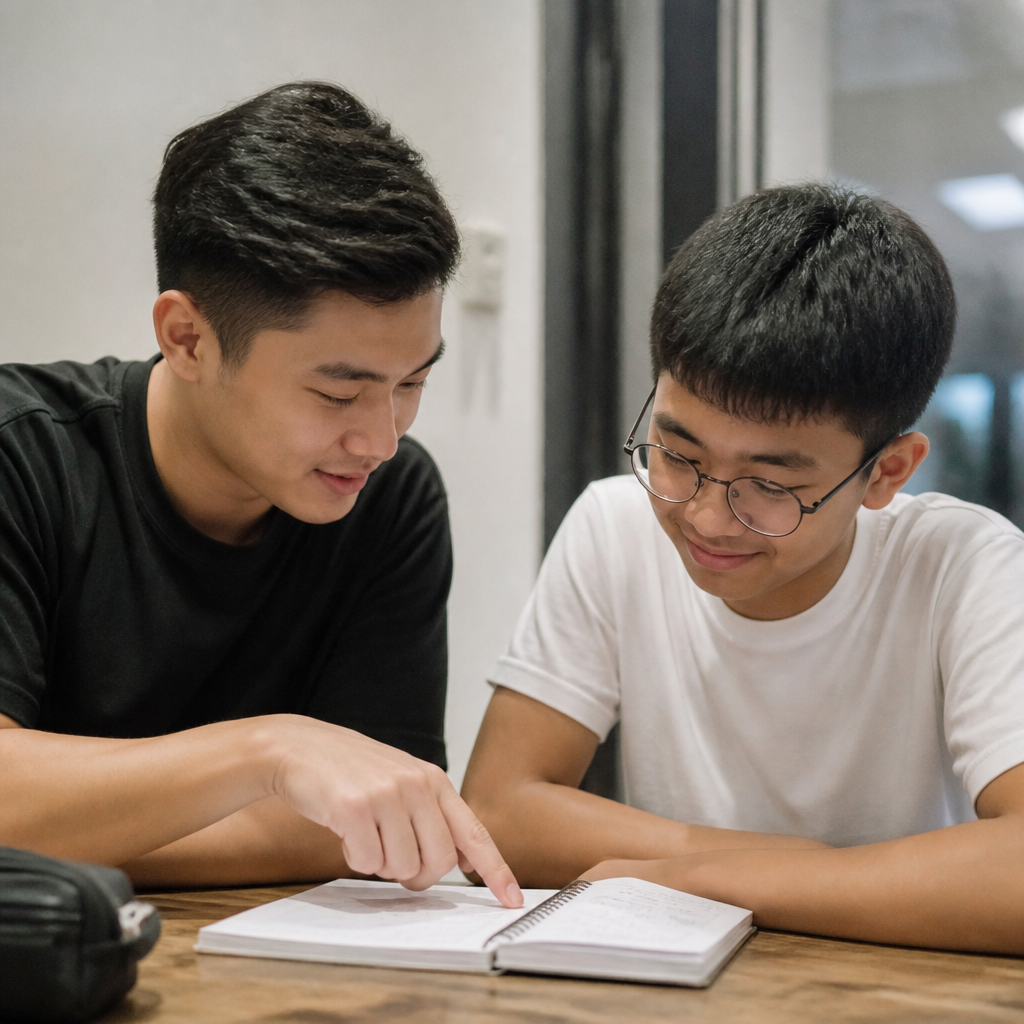
. This is especially important for parents in Singapore who are trying to support a child through a demanding school system without adding even more pressure at home.
We hope this article has given you a clearer picture of teaching methods that adapt to different learning speeds in one-to-one tuition. If you’re looking for one to one tuition that is carefully matched to your child’s pace and learning needs, our tutors at MindFlex are experienced, carefully matched to each student, and ready to help. Contact us for a free consultation and let us find the right tutor for your child.


