


What Is DSA Singapore? A Parent’s Guide to Secondary School Admissions
If you are a Primary 6 parent, this may sound familiar. One moment, you are focused on PSLE revision, school choices, and whether your child is coping. The next, people around you are talking about DSA Singapore, auditions, interviews, portfolios, and school trials, as if there is suddenly another admissions track to figure out.
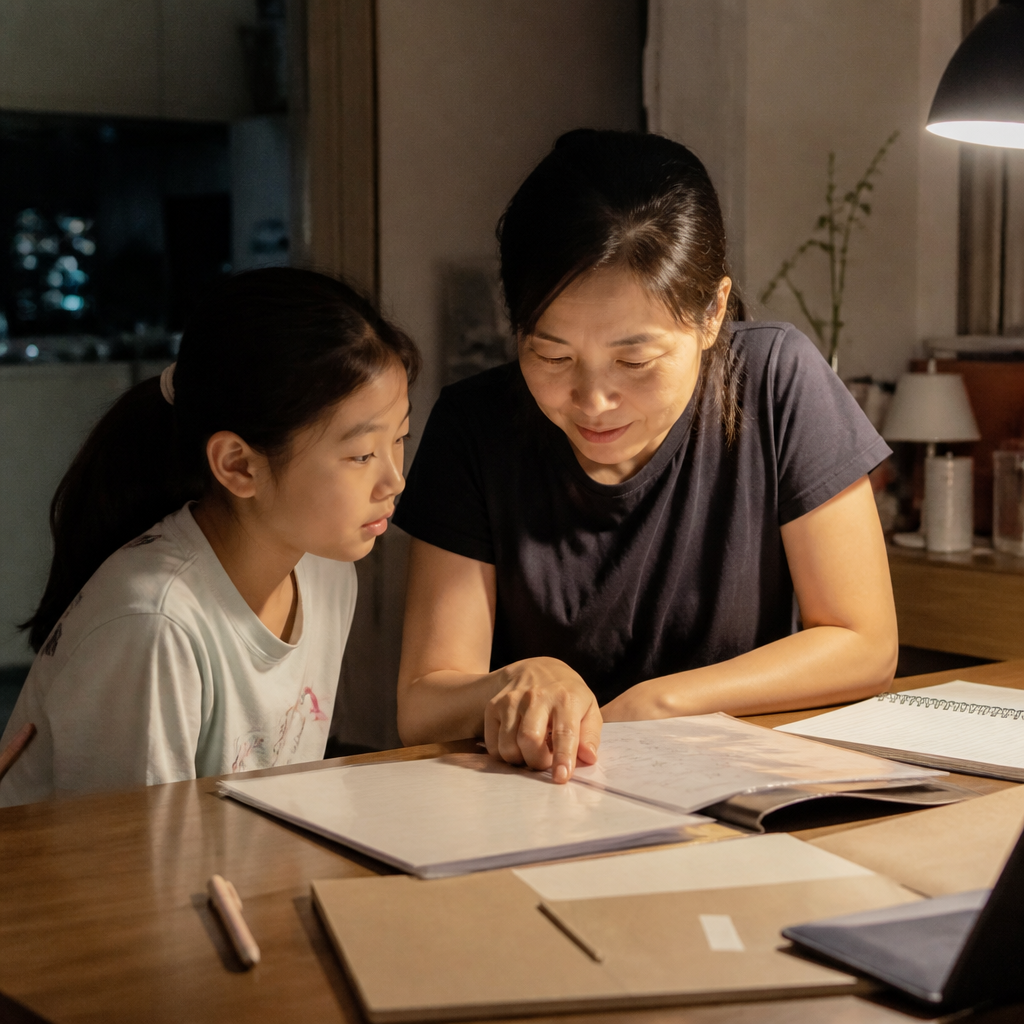
You are not alone if it feels confusing at first.
In simple terms, DSA-Sec is an early admissions pathway that lets certain students apply to secondary schools based on strengths and talents, not just their eventual PSLE posting outcome. This could be in sports, performing arts, visual arts, leadership, languages, or STEM-related areas, depending on what each school offers. For some children, DSA can be a meaningful opportunity. For others, it may add pressure if the fit is not right.
The key is not to rush because everyone else seems to be applying. It is to understand how the DSA process works, what commitment it involves, and whether it genuinely suits your child before Secondary 1 posting begins.
Key Takeaways
- DSA-Sec is an early admissions pathway. It allows Primary 6 students to apply to certain secondary schools based on talent areas such as sports, arts, leadership, or STEM before the usual Secondary 1 posting process.
- A successful DSA offer comes with commitment. If your child accepts a confirmed DSA place, they are expected to join that school and continue in the talent area they were admitted for.
- Not every strong student is suited for DSA. Fit matters just as much as ability, especially if your child is already stretched by PSLE stress or a heavy schedule.
- Schools differ in what they look for. One school may value competition results, while another may focus more on potential, attitude, auditions, interviews, or long-term commitment.
- DSA is different from regular Secondary 1 posting. The usual posting route is based on PSLE results and school choices after results release, while DSA happens earlier and can narrow later posting options if a place is accepted.
- Timelines and criteria can change. Always check the latest information on the MOE DSA-Sec page and individual school websites.
What DSA Singapore Means in Simple Terms
For anxious parents, the simplest answer to what DSA Singapore is would be this: it is a pathway that lets a Primary 6 child apply to selected secondary schools based on recognised strengths beyond academic scores alone.
What DSA-Sec is meant to do
MOE introduced DSA-Sec so that schools can admit students with specific talents and interests that match the school’s programmes. A child who is deeply committed to badminton, choir, robotics, debate, leadership, or art may have a chance to enter a school through that strength.
This matters because some children are not defined only by exam performance. You may have a child who is not the top scorer in class but has spent years training in a sport, performs confidently on stage, or shows unusual maturity in leading peers. Direct School Admission gives schools a way to recognise that.
At the same time, DSA is not a shortcut for children with weak academic foundations. Schools are still looking for students who can cope with the demands of secondary school life.
What DSA-Sec is not
It is not a guaranteed route into a dream school just because a child has attended enrichment classes or joined many competitions. It is also not the same as regular Secondary 1 posting.
If your child receives and accepts a confirmed DSA offer, they are generally committed to that school before the usual posting exercise. That is why emotional readiness matters just as much as talent.
Who DSA Is Really For
Some parents worry that if they do not apply, they might miss a good opportunity. At the same time, they are not fully sure whether their child is truly suited for it. That uncertainty is very normal.
Children with clear, sustained strengths
DSA usually fits children who have shown genuine commitment over time, not just recent interest. A Primary 6 student who has trained in swimming for years, performed regularly in ensemble, built a solid robotics portfolio, or held visible leadership responsibilities may have a stronger case.
Schools often look beyond certificates. They may notice consistency, coachability, teamwork, discipline, and the ability to stay calm under pressure. A child with fewer medals but stronger maturity may still stand out.
Children who can commit in Secondary 1 and beyond
The talent area does not end once the school place is secured. If your child enters through a sports domain, there may be regular training, competitions, and a stronger expectation to contribute. The same goes for performing arts or school-based talent development programmes.
A DSA school may be right only if the child is ready for that rhythm.
Children who are emotionally ready for a narrower route
Some Primary 6 children like the idea of getting into a good school early but have not really thought through what it means. If they accept a DSA place, they generally cannot later change their mind just because another school looks more attractive after PSLE results.
That is why honest conversations matter. Not every capable child needs DSA. Sometimes the regular posting route gives more flexibility and less stress.
What Schools Look For in DSA Talent Areas
Parents often ask what schools offer DSA in Singapore for sports and arts, but it helps to widen the question. DSA talent areas are not limited to those two categories.
Common DSA talent domains
Different schools may offer DSA in areas such as:
A child who enjoys an area casually may not yet be ready for DSA in that domain. A child who has built up experience over time usually has more to show, and often more clarity about whether they truly want that pathway.
Why school research matters
Schools do not all assess talent the same way. One school may prioritise competition records. Another may value potential and alignment with its programme. This is why checking individual school websites is essential, along with the latest information on the MOE DSA-Sec page.
A practical shortlisting approach helps. Instead of applying to schools simply because they are popular, ask whether the talent area is genuinely established there, whether your child can see themselves growing there, and whether the school environment fits their personality.
How the DSA Secondary School Admission Process Works
When parents ask how DSA secondary school admission works in Singapore, they are usually trying to understand the sequence. The process generally starts before Secondary 1 posting and involves application, school-based selection, and then posting consequences if a place is accepted.
The broad flow of the process
A sports applicant may attend physical trials. A performing arts applicant may audition live. A leadership applicant may go through interviews or group tasks. A STEM applicant may complete a challenge or present projects.
What schools may look for during selection
Results and experience can help, but selection is often more holistic than parents expect. Schools may observe how a child responds to feedback, whether they communicate clearly, and whether they seem genuinely interested in contributing to the school.
Some students look strong on paper but freeze during interviews because they have memorised polished answers. Others are not the most decorated applicants, but they speak sincerely about training, setbacks, and why the school suits them. The second type often leaves a stronger impression.
Why fit matters more than chasing prestige
A school can be highly sought after and still be a poor fit for your child. If your child dislikes very competitive environments or struggles with heavy schedules, that should not be brushed aside. DSA is about matching strengths with school opportunities, not collecting school names.

If your child is already anxious about PSLE and the transition to Secondary 1, steady academic support can also make a difference during this period. If you want help building confidence without adding pressure, you can explore home tuition support here.
Timeline, Eligibility, and What Parents Need to Prepare
The DSA Singapore application process for Primary 6 parents can feel intimidating because it overlaps with a busy school year.
When to apply
If you are wondering when to apply for DSA Singapore secondary school places, the answer is usually during the designated Primary 6 application period announced by MOE. This happens before PSLE results and before the regular Secondary 1 posting exercise.
Because exact windows may change, treat the official MOE page as your first checkpoint, not hearsay. Start preparing earlier than you think you need to, especially if your child needs a portfolio, audition piece, or school-specific documents.
Basic eligibility and preparation
Eligibility is generally for Primary 6 students applying for admission to Secondary 1 through participating schools. Beyond that, each school may have its own criteria for each talent area.
Parents may need to prepare:
- Records of achievements or participation, to show sustained involvement rather than a last-minute interest.
- Portfolios or supporting documents, especially for visual arts, STEM, leadership, or performance-based domains.
- Personal statements or write-ups, where honest and specific answers usually work better than polished but generic ones.
- References or school endorsements, where relevant, to support the application with context about attitude, consistency, or leadership.
- Availability for trials, interviews, or auditions, so the process does not become chaotic during an already demanding year.
Do not assume more documents always help. A messy folder of every certificate since Primary 1 is usually less useful than a clear set of relevant achievements and experiences.
DSA vs Secondary 1 Posting: The Difference Parents Should Understand
One of the most important questions is the difference between DSA and Secondary 1 posting.
Regular Secondary 1 posting is based on PSLE results and choices
Under the usual route, students receive their PSLE results and then submit school choices for Secondary 1 posting. Placement is based on the posting system and the student’s eligibility under MOE’s latest framework. You can read more on the MOE Secondary 1 posting page.
This route gives families more time. You will know your child’s PSLE outcome before confirming school choices, and you can weigh academic fit, location, and school culture with more information in hand.
DSA happens earlier and can reduce flexibility later
DSA comes before that. If your child secures and accepts a confirmed DSA place, the usual posting flexibility becomes narrower because the child is expected to enter that school instead of participating freely in the regular posting route.
This is why DSA should only be pursued when the school and talent area feel like a strong, informed match.
DSA does not mean PSLE no longer matters
A common misconception is that once DSA is secured, PSLE can be ignored. That is not how families should approach it. Your child still needs to meet the relevant requirements and be ready to cope academically in Secondary 1.
How to Shortlist Schools and Think About Commitment
This is the part many families rush. It is tempting to apply widely and see what happens. But poor shortlisting often creates more confusion than clarity.
How to shortlist schools sensibly
Start with these questions:
- Does the school genuinely support my child’s talent area? Look beyond marketing language and check whether the programme is established, active, and suited to your child’s level and interests.
- Can my child realistically thrive in the school culture? Some children do well in highly driven environments. Others need a steadier pace and a more balanced atmosphere.
- Are we ready for the travel time, schedule, and long-term commitment? A school may look impressive on paper, but if the commute is draining, that matters.
What acceptance may mean in real life
After acceptance, your child is usually expected to continue contributing in that domain. This can be rewarding, but it can also be demanding. Sports students may train several times a week. Performing arts students may have rehearsals before concerts and competitions. Leadership or specialised programmes may involve added responsibilities.
Some children grow tremendously in such environments. Others feel trapped because the decision was made more by adults than by them. That is why commitment should be discussed honestly before applying, not after an offer arrives.
Frequently Asked Questions
If my child applies for DSA, can they still go through the normal Secondary 1 posting process?
Applying is not the same as accepting a confirmed DSA place. However, once a confirmed place is accepted under the relevant DSA terms, your child is generally committed to that school and will not have the same flexibility in the regular posting exercise. Always check the latest MOE guidance for the exact rules.
Does DSA affect PSLE preparation?
It can, if families overload the child. Auditions, interviews, and portfolio preparation take time and emotional energy. A child who is already struggling with revision may find DSA activities overwhelming unless the process is managed calmly.
What if my child is talented but has no major awards?
That does not automatically rule them out. Some schools value potential, consistency, attitude, and fit, not only medals or certificates. A child who has trained steadily, reflects well, and performs credibly during selection may still be considered.
Is DSA only for elite or very high-performing children?
No. DSA is for children whose strengths match what a participating school is looking for. The more useful question is not whether your child is elite, but whether they have a clear area of strength, are suited to the school, and are ready for the commitment.
Final Thoughts
So, what is DSA Singapore really about? At its heart, it is an admissions pathway for Primary 6 students whose strengths in areas like sports, arts, leadership, or STEM may make them a good fit for certain secondary schools before the usual Secondary 1 posting exercise.
For some families, DSA is a valuable opportunity. For others, the regular route may be less stressful and more suitable. The best decision is rarely the one that looks most impressive on paper. It is the one that matches your child’s ability, motivation, and readiness for the next four years.
As you compare options, keep checking the latest official details on the MOE DSA-Sec page and the MOE Secondary 1 posting page, as well as individual school websites, because timelines, requirements, and talent areas can change.
And if your child may need steady academic support while preparing for Secondary 1, you can learn more about our tutors at Singapore Tuition Teachers or contact us here.


